Suharto’s Old Guard Is Still Calling the Shots in Indonesia
After the fall of Indonesia’s US-backed tyrant Suharto in 1998, many Indonesians hoped that their country was on a path to genuine democracy. Two decades later, wealthy crooks and war criminals from the Suharto era are still deeply entrenched in power.
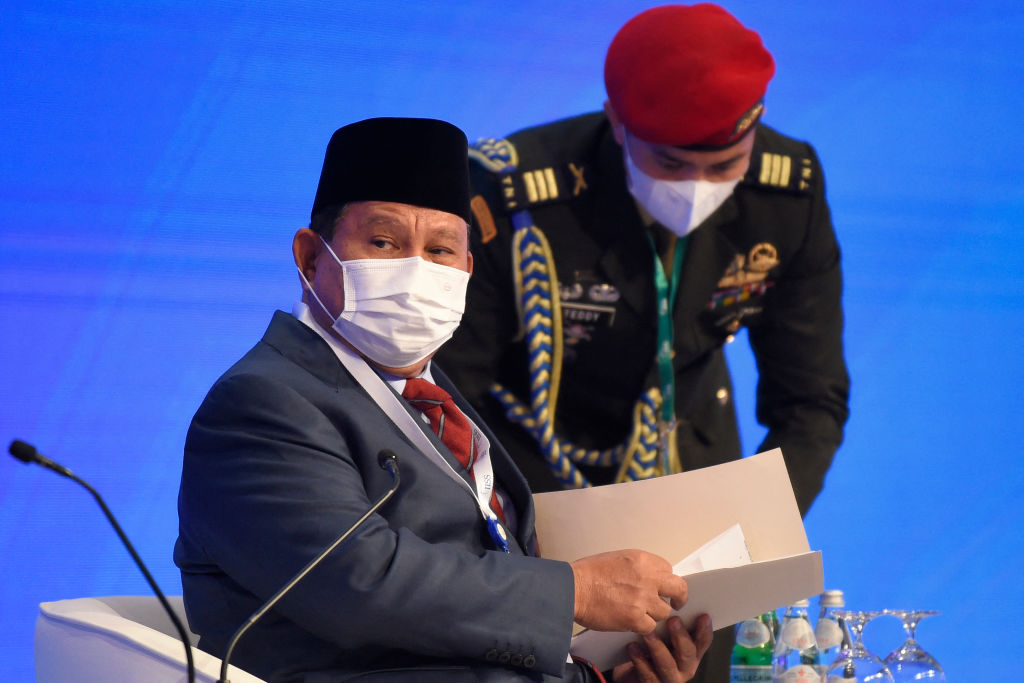
Prabowo Subianto, Suharto’s son-in-law, was appointed Indonesia’s defense minister in 2019, despite his fascist provocations and involvement in the disappearance of students. (MAZEN MAHDI/AFP via Getty Images)
After seizing power in a military coup in 1965, the Indonesian dictator Suharto presided over one of the twentieth century’s bloodiest massacres, wiping out the country’s left-wing movement. He went on to invade East Timor in the 1970s and inflict genocidal repression upon its people. Meanwhile, Suharto and his family became fabulously wealthy through corruption on a grand scale.
Throughout this history of killing and kleptocracy, US presidents from Lyndon Johnson to Bill Clinton backed Suharto to the hilt. His regime eventually fell after the Asian financial crisis of the late 1990s, but Indonesia’s transition to democracy has been stifled by the power of the old guard. Its current president, Joko Widodo, or Jokowi, hailed as a breath of fresh air when he was elected in 2014, has ended up placing infamous war criminals from the Suharto era in top government posts.
Michael G. Vann is a professor of history at Sacramento State University. This is an edited transcript from Jacobin Radio’s Long Reads podcast. You can listen to the episode here.