Japan’s General Election Could Put the Brakes on Its Government’s Anti-China War Drive
Japan’s Liberal Democratic Party has chosen a new leader to boost its chances of retaining power in this month’s election. But the LDP is still fully committed to the militarization of Japanese foreign policy as part of Washington’s anti-China alliance.
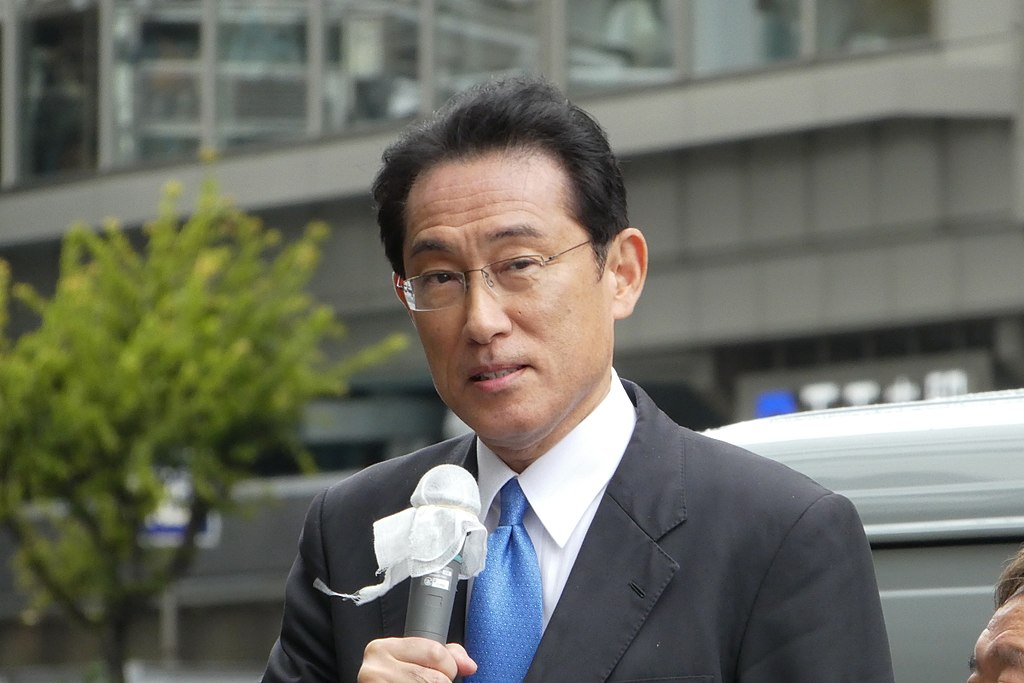
Kishida Fumio, the newly elected leader of Japan’s Liberal Democratic Party and the country’s current prime minister. (切干大根 / Wikimedia Commons)
In September 2020, I wrote for Jacobin about the prospects of Suga Yoshihide’s newly minted government as he succeeded Abe Shinzō as Japan’s prime minister. I expected little change, as the old regime was still firmly in control of the levers of state.
Now Suga is bowing out, and the year that has passed simply confirms that judgment. Chosen as party president by the one million members of the Japanese conservative Liberal Democratic Party (LDP), Kishida Fumio has now replaced Suga as prime minister–designate.
Since the LDP, with its ally, the neo-Buddhist Komeito, holds a parliamentary majority in the Japan’s National Diet, this means that the LDP membership — roughly one in 100 of the Japanese people — have also chosen a new prime minister, who then almost immediately called a general election. In that election, now scheduled for October 31, the LDP can expect to do well. It always does.