Japan’s Shinzō Abe Was an Uninspiring Leader Who Prospered by Default
Shinzō Abe became Japan’s longest serving prime minister thanks to the weakness of his political rivals. But Abe never realized his dream of rewriting the Japanese constitution to legitimize the nationalist militarism that was central to his worldview.
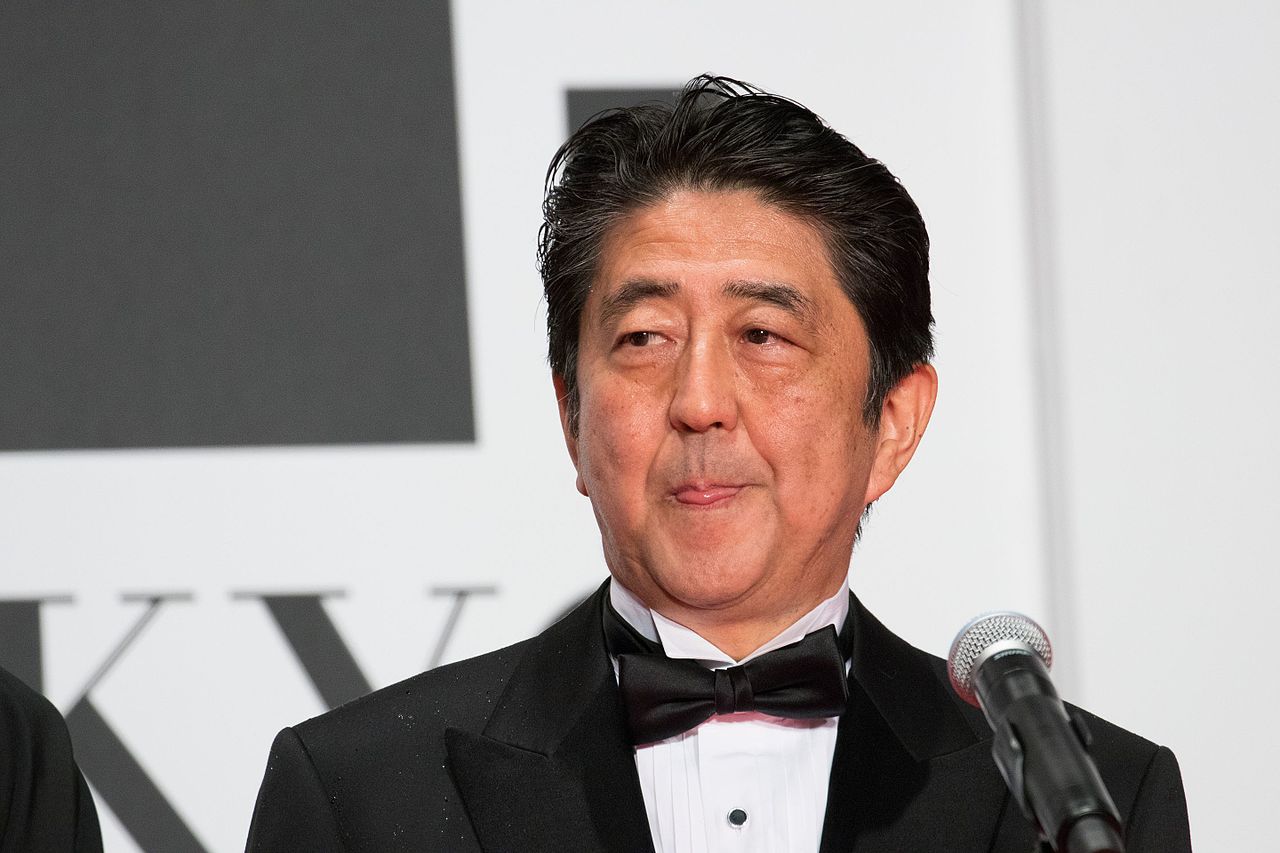
Japanese prime minister Shinzō Abe, who recently announced his resignation, at the opening ceremony of the Tokyo International Film Festival in 2016. Dick Thomas Johnson / Wikimedia Commons
Shinzō Abe has stepped down for health reasons after serving as the Japanese prime minister since 2012. Abe was a polarizing figure, who angered Japan’s East Asian neighbors (and many of his fellow citizens) with historical revisionism about the country’s wartime record. He tried to change the Japanese Constitution to weaken its pacifist thrust and wanted to strengthen ties between the Japanese and US militaries. In recent years, he was a close ally of Donald Trump. Abe also presided over an ambitious attempt to kick-start the Japanese economy, known as “Abenomics.”
Kristin Surak is a lecturer at SOAS, University of London and an expert on Japanese politics. She spoke to Jacobin about Abe’s background, his record in office, and his legacy as prime minister.
Daniel Finn
Shinzō Abe proved to be Japan’s longest serving prime minister. What was the secret — and the significance — of his longevity?
Kristin Surak