Afghanistan Was Never a Good War
The United States invaded Afghanistan after 9/11 because its leaders wanted revenge. The US occupation brought misery and destruction for the Afghan people, and its failure was guaranteed from the start.
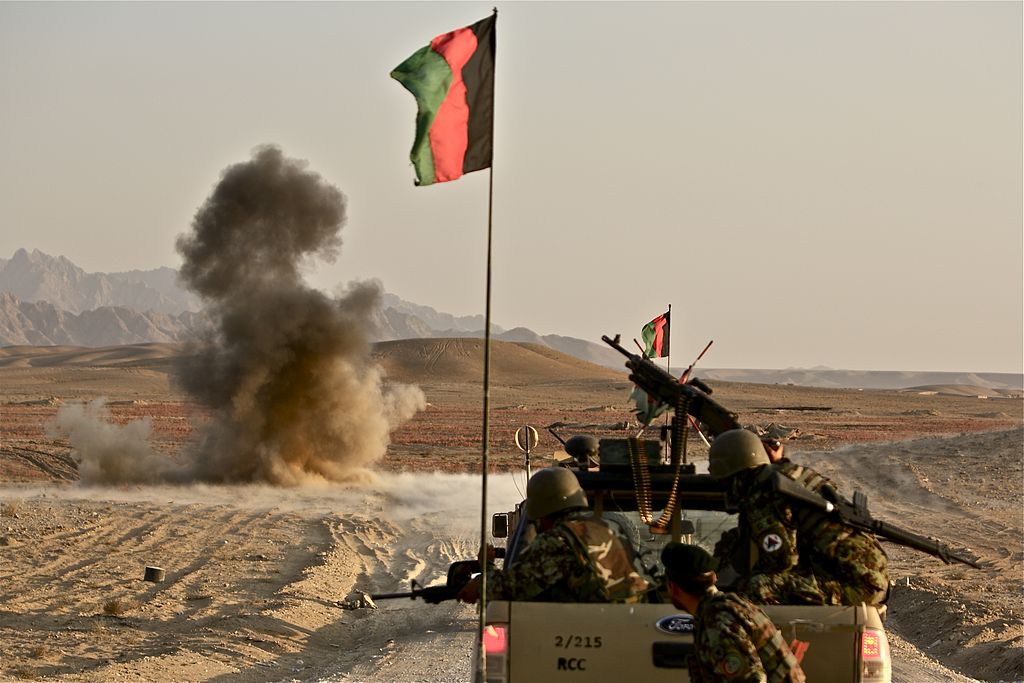
An Afghanistan army bomb disposal team neutralizes an improvised explosive device on November 4, 2012. (Al Jazeera English / Wikimedia Commons)
The US ruling class once bellowed about a great civilizing mission in Afghanistan, one that would liberate women and build democratic institutions. By the end of August this year, Americans had been reduced to seeking assurances from the Taliban that they would not attack the US embassy.
The United States has spent $2.26 trillion on a war that, as of April 2021, had killed 241,000 people — 70,000 of them civilians in Afghanistan and Pakistan — excluding those who have died because of disease or lost access to food, water, or infrastructure as a result of the war. Millions of refugees have fled Afghanistan over four decades of conflict, including twenty years spent under US occupation. At the end of 2020, 2.9 million Afghans were internally displaced. Nearly 400,000 more had been forced from their homes as of mid-August this year.
Conditions in Afghanistan could scarcely be worse. Afghans have a shorter life expectancy than anyone else on Earth, and no country has a higher infant mortality rate. Despite all the talk about how vital the war and occupation were to improve the lot of Afghan women, the country’s maternal mortality rate is one of the worst in the world.