The Contemporary US Right’s Roots in 1930s Union-Busting
The roots of the modern US right lie in the California fields of the 1930s, where large growers ferociously resisted farmworker organizing. It’s a reminder that opposing working-class power has been central to the US right from the very beginning.
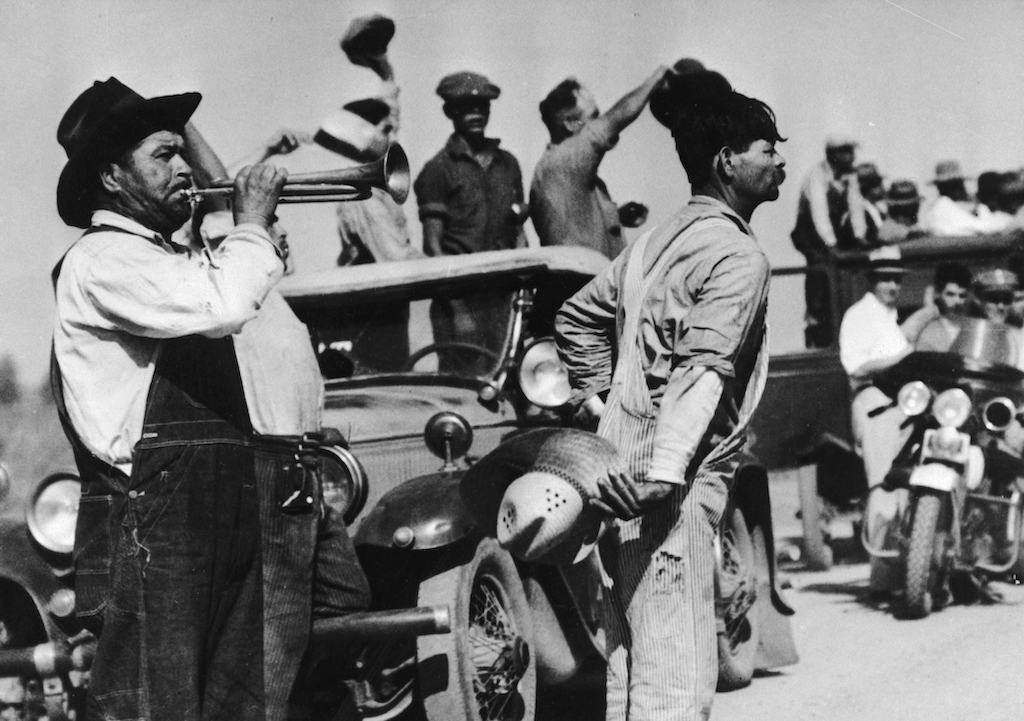
The cotton strike of 1933 in the San Joachin Valley, California was a turning point in the conservative movement in America. (Bettmann / Getty Images)
It’s often argued that modern US conservatism originated in the failed presidential bid of Republican Barry Goldwater in 1964. Historian Kathryn Olmsted suggests, however, that it should be located much earlier, in the intense labor unrest in the California fields of the 1930s.
In her book, Right Out of California: The 1930s and the Big Business Roots of Modern Conservatism, Olmsted argues that large growers and other members of the business class saw farmworker organizing and the New Deal’s pro-labor policies as fundamental threats to their power. While they had benefited enormously from government policies like infrastructure building and tariffs, California agribusiness bristled at the government doing anything to improve workers’ position. In their ferocious anti-labor campaign, they pioneered methods that have become hallmarks of the Right: the use of populist language to defend elite interests, the corporate funding of ostensibly grassroots organizations, and attacks on the Left as a threat to religion and the family.
Olmsted is a professor of history at the University of California Davis and the author of multiple books. She was interviewed by radical journalist Sasha Lilley on the California-based progressive radio show Against the Grain. Their conversation has been condensed and edited for clarity.