A Green New Deal for Agriculture
Agriculture policy in the original New Deal sprang from a heady mix of class struggle and uneasy alliances. The Green New Deal will have to stitch together a different coalition that can challenge the dominant mode of agriculture and create a more just food system.
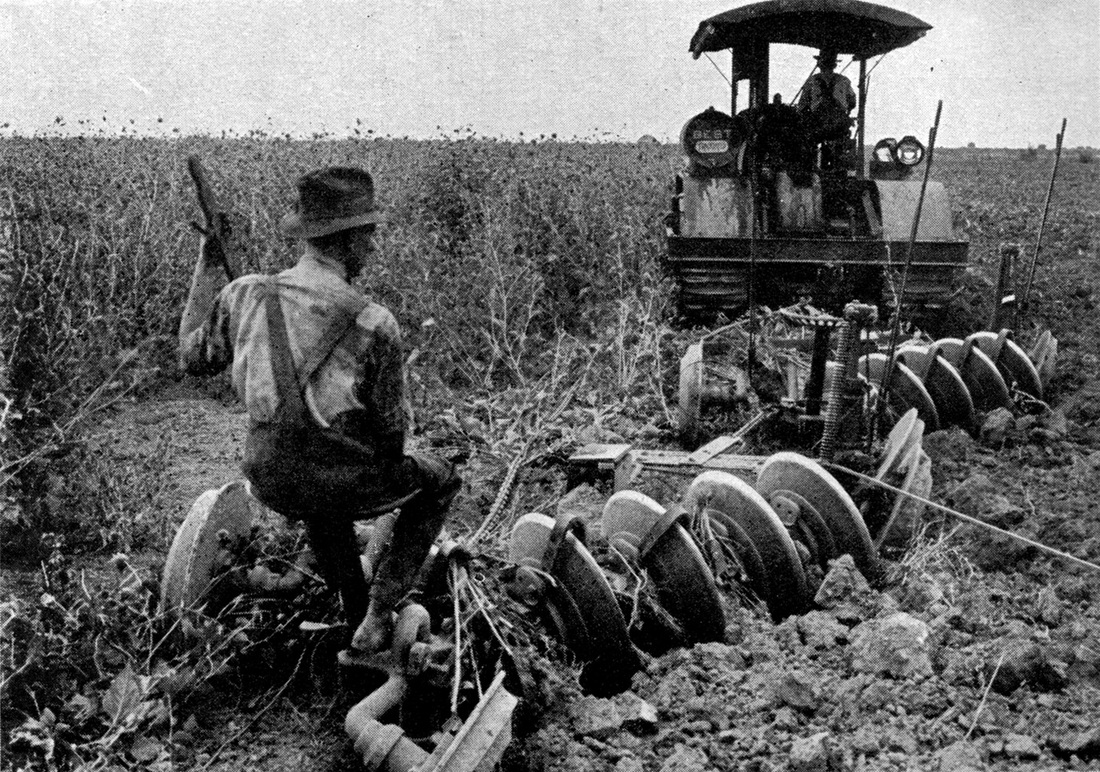
Farmers during the New Deal.
The food system is breaking the planet. Nearly a quarter of anthropogenic greenhouse gases are driven by how we eat, and it’s impossible to tackle climate change without transforming agriculture. So the Green New Deal is wise to call for “a more sustainable food system that ensures universal access to healthy food.” Better yet, Alexandria Ocasio-Cortez and Ed Markey’s proposal includes a call to work “collaboratively with farmers and ranchers in the United States to remove pollution and greenhouse gas emissions from the agricultural sector.”
This has the makings of a bonanza for rural America. Healthy food costs more and is harder to access than processed food. Under a Green New Deal that helped Americans eat better, more cash might flow back to the land. And if the federal government were paying more for better food, and understood that well-managed soil can sequester carbon, sustainable farming might be a way to end America’s rural poverty.
Yet almost as soon as the Green New Deal was released, members of the American Farm Bureau criticized the proposal as misguided and uninformed. Early in March, the National Farmers Union, one of the more left-leaning of the large farm organizations, snubbed the Green New Deal for not recognizing “the essential contribution of rural America.” And the recent Senate vote united fifty-seven members of the chamber in opposition. So, why the haters in farm country?