A Century Ago, West Virginia Miners Took Up Arms Against King Coal
The Battle of Blair Mountain is one of the most stunning episodes in the United States’ violent history of class warfare. In 1921, twenty thousand armed miners in West Virginia marched on the coal bosses and were met with bombs and submachine guns.
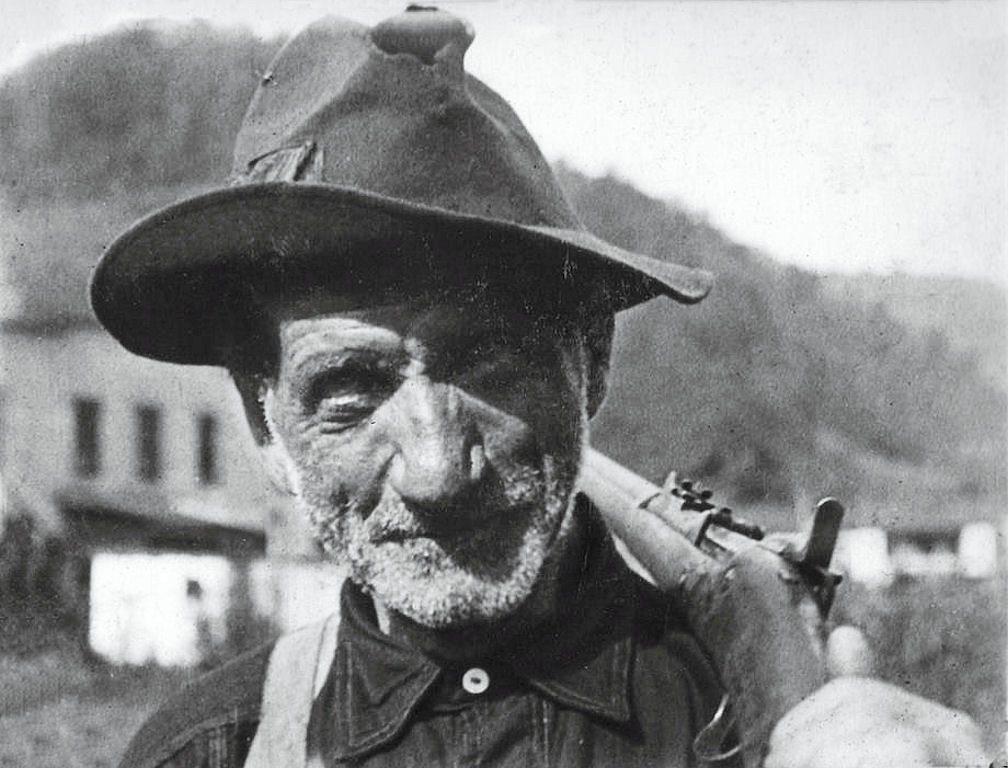
A Blair Mountain coal miner with his rifle slung over his shoulder, 1921. (Kinograms)
In August 1921, up to twenty thousand miners with the United Mine Workers of America (UMWA) amassed in Charleston, West Virginia, many armed with hunting rifles. They aimed to march southwest, to Mingo County, to free striking miners and their families, whom the coal bosses, in collusion with the state, had imprisoned and were attempting to starve out.
But between the two groups of miners stood Blair Mountain, rising nearly two thousand feet above sea level. Atop the mountain, the local sheriff had dug in his own army of hundreds of deputies, armed with submachine guns and bombs, which were deployable via commandeered aircraft. The two sides battled for five days before federal troops put down the miners’ revolt. (“AIR FLEET ORDERED TO W. VA BATTLEFIELD / AVIATORS WILL DROP BOMBS ON MARCHERS” read the headline in the Washington Times.) It was the largest armed conflict since the Civil War and, to this day, the largest labor uprising in US history.
At the time, miners in West Virginia lived in an “industrial police state,” according to the historian Charles B. Keeney. They not only resided in company housing in company towns, where they purchased exorbitantly priced goods from company stores, but they and their families suffered under the scrutiny of mine guards, who represented the combined force of the coal industry and local government. Miners were subject to evictions, beatings, and even murder at the behest of the coal industry (“King Coal,” in the local parlance).