Drug Patents and Big Pharma Are Slowing Down the Vaccine Rollout and More
Our current model of pharmaceutical research is based on patent monopolies designed to enrich drug company executives and shareholders. But there's a better way to develop new drugs and vaccines, based on public funding and open-source research.
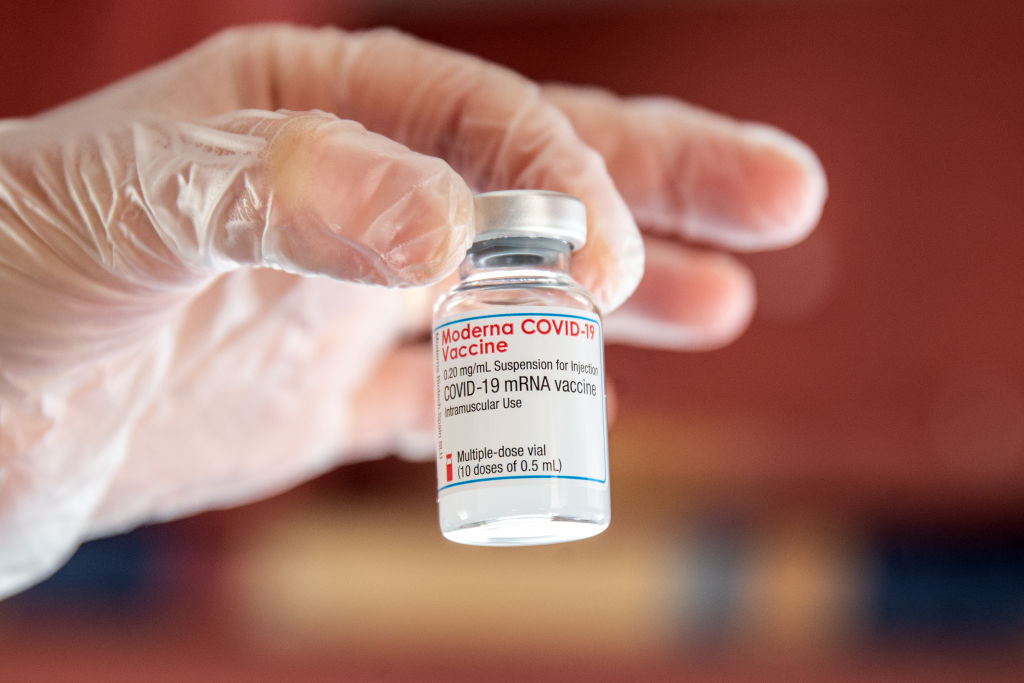
The government effectively paid for much or all of the COVID vaccine research, but still gave private companies patent monopolies. (Ivan Romano/Getty Images)
It is often said that intellectuals have a hard time dealing with new ideas. Unfortunately, for purposes of public debate, open-source government funding of drug development is a new idea, and people in policy positions seem to be having a very hard time understanding it. So, I will try to write this post in a way that even a policy wonk can figure it out.
The basic idea of government-funded research should not be hard to grasp since the government already funds a large share of biomedical research. The National Institutes of Health gets over $40 billion a year in federal funding, with the Biomedical Advanced Research and Development Agency (BARDA) and other government agencies getting several billion more. This puts the government’s total spending in the $45 to $50 billion range, compared to a bit over $90 billion from the industry. So the idea that the government would fund research really should not be that strange.
Most of the public funding does go to more basic research, but there are plenty of instances where the government has actually funded the development of new drugs and also done clinical testing. But under the current system, most of the later stage funding does come from the industry and is funded through patent-monopoly pricing. Relying on open-source, government-funded research for later-stage development and testing would be a major change.