The Alabama Amazon Union Drive Could Be the Most Important Labor Fight in the South in Decades
The union organizing campaign currently underway at an Amazon warehouse in Bessemer, Alabama could prove to be the most important labor fight in the South since the failure of Operation Dixie, the movement’s last large-scale push to organize the South in the late 1940s. The story of that historic effort holds lessons for the struggle today.
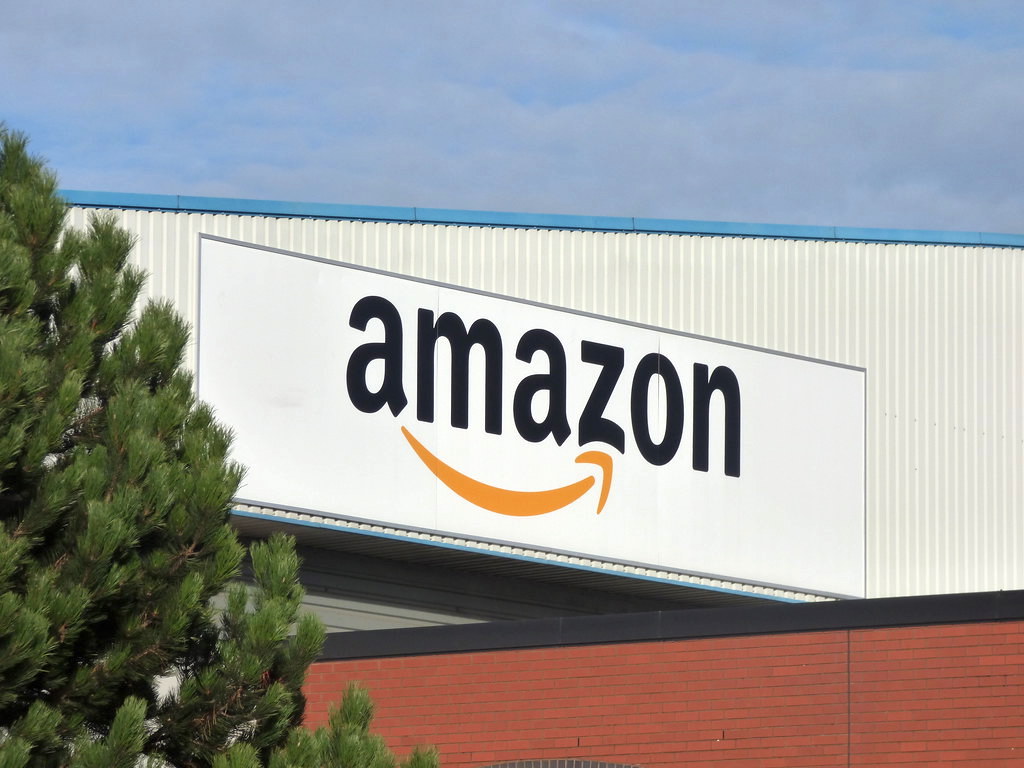
Workers at a warehouse in Bessemer, Alabama are organizing and currently voting on whether to unionize. (Elliot Brown / Flickr)
Nearly six thousand Amazon warehouse workers in Bessemer, Alabama are currently voting on whether to unionize. The mail-in ballot process began on February 8, and ballots must be returned by March 29. The votes will be tallied the following day.
It’s one of the most important union campaigns in the United States. A win in Bessemer would be a shot in the arm for organized labor: should these workers unionize with the Retail, Wholesale and Department Store Union (RWDSU), they will be the first unionized Amazon workers in the United States. Given that the company is the second-largest private employer in the country, this could open the floodgates for organizing campaigns, as well as force the labor movement to reconsider what is possible. Akin to the United Auto Workers’ (UAW) early successes in the auto industry of the 1930s? It might be.
Michael Goldfield is professor emeritus of political science at Wayne State University and the author of The Southern Key, a new book on efforts to organize the South in the 1930s and ’40s. In the book, Goldfield details the efforts made in the region’s key industries — coal mining, woodworking, textiles, and steel — using archival research to understand the roots of campaigns’ successes and, more often, failures.