Sylvia Pankhurst Fought to “Make the Future a Place We Want to Visit”
British suffragette Sylvia Pankhurst was a militant campaigner for women’s right to vote. As a socialist, she also refused to uncouple the women’s movement from the fight for equality across all of society.
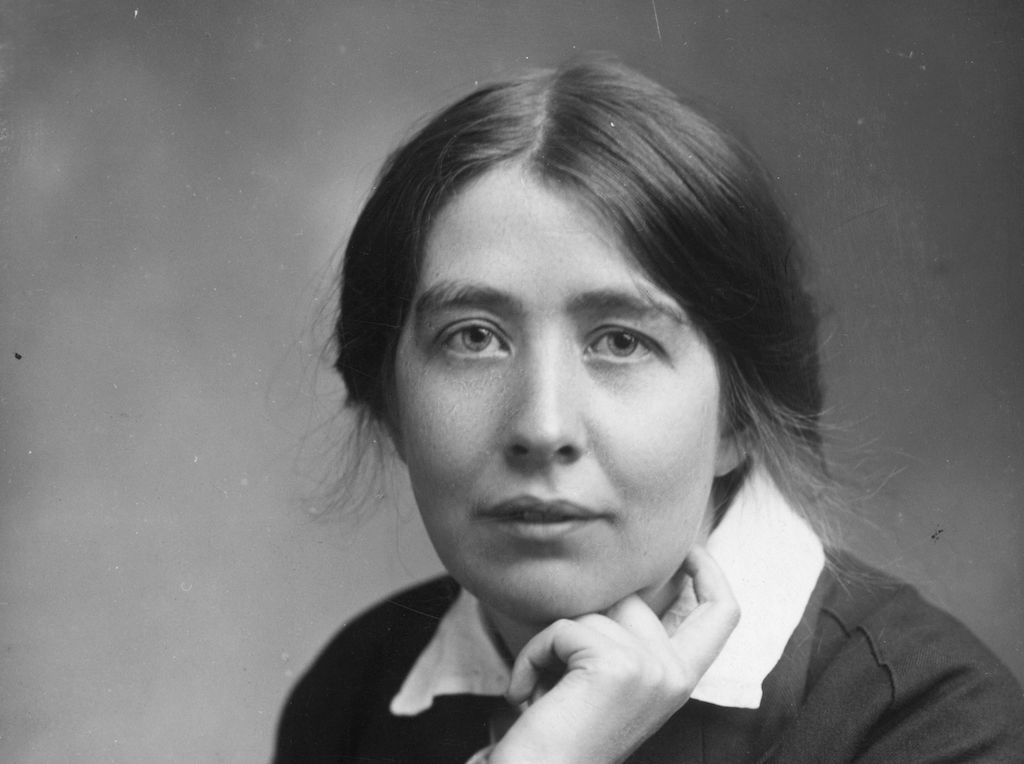
Founder of the Women’s Social and Political Union Sylvia Pankhurst in 1918. (Hulton Archive / Getty Images)
Sylvia Pankhurst: Natural Born Rebel is an extraordinary work, a vital and necessary intervention, and an urgent read for our times. Rachel Holmes has written the definitive biography of one of the twentieth century’s political giants. Political rebel, human rights champion, and radical feminist ahead of her time, Pankhurst has for too long been pigeonholed as a “British suffragette.”
Though she did work at the very center of the militant struggle for universal suffrage (and put her own body on the line), her activism spanned beyond that fight, ranging two world wars; fascism, colonialism, and the struggles against them. All of those chapters of Sylvia’s life are given space in this biography, told intimately from the point of view of this unique woman who sought to “make the future a place we want to visit.”
Born in 1882, Estelle Sylvia Pankhurst was the daughter of Britain’s most famous suffragette, Emmeline Pankhurst. Her barrister father, Richard, known as the “Red Doctor,” had drafted the 1870 Married Women’s Property Act with his friend John Stuart Mill. Along with Sylvia’s two sisters and one brother, the Pankhursts became “the first family of British feminism,” helping to create a mass movement which, Holmes claims, was on a scale not known since the Chartists.