La Pasionaria, Heroine of the Spanish Civil War
Born 125 years ago today, communist leader Dolores Ibárruri was the most famous symbol of the Republican cause in Spain. Known as "La Pasionaria," she coined the battle cry "¡No pasarán!" — expressing the fearlessness which made her a heroine for generations of anti-fascists.
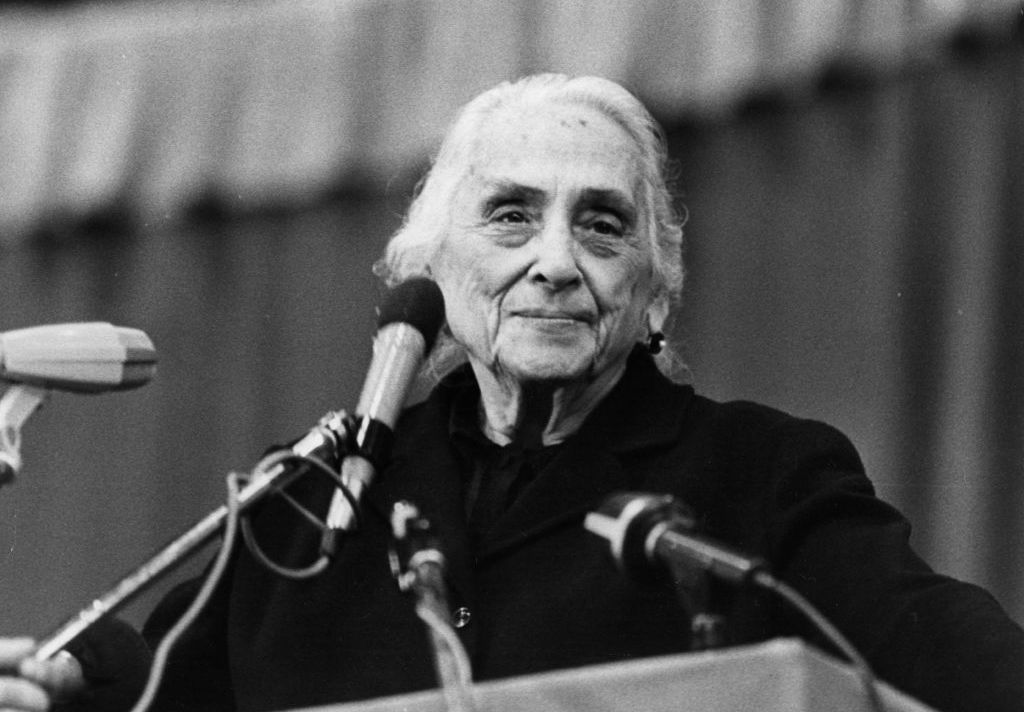
The Spanish Communist Dolores Ibarruri known as “La Pasionaria” at a meeting of Spanish workers in Geneva. (Keystone / Getty Images)
For her admirers, Dolores Ibárruri was an inspirational Civil War heroine and a universal earth-mother figure. For her Francoist enemies, she was the terrifying virago whose bloodthirsty rhetoric had emasculated right-wing MPs in the Popular Front–controlled parliament. The fear she provoked was reflected in frequent insults casting her as both manly and a “whore.” Her essential crime was that she encouraged women to abandon the serene servility which was considered their proper attitude.
Such views revealed more about the sexual and social fears of right-wing men than about Ibárruri. Yet, the vehemence of such insults is an indication of her historical importance. To this day, her role in raising the morale of the defenders of Madrid faced with the Francoist offensive, her much-quoted words to the women of the beleaguered capital, and her immortal farewell speech to the International Brigades, have retained their ability to move sympathizers of the Republican cause.
Nevertheless, the familiar images of La Pasionaria — the passionate fire-eater portrayed by both communist legend and anti-communist demonology — give only a partial picture. In the political arena and her private life, Ibárruri’s essential characteristics were strength, realism, and fierce determination to correct injustice. During the hard years of exile in the USSR, a loyal Stalinist emerged who differed considerably from the Civil War stereotypes.