Trump’s “Deterrence” Strategy Targeting Black Voters Doesn’t Have to Work
In both his campaigns, Trump has run ads aimed at killing black voters’ enthusiasm for the Democratic nominee and lowering their turnout. The strategy is craven, but the ads exploit real disillusionment. Without a sharp break from their history of failing black constituents, Democrats will remain vulnerable to such opportunistic gambits in the future.
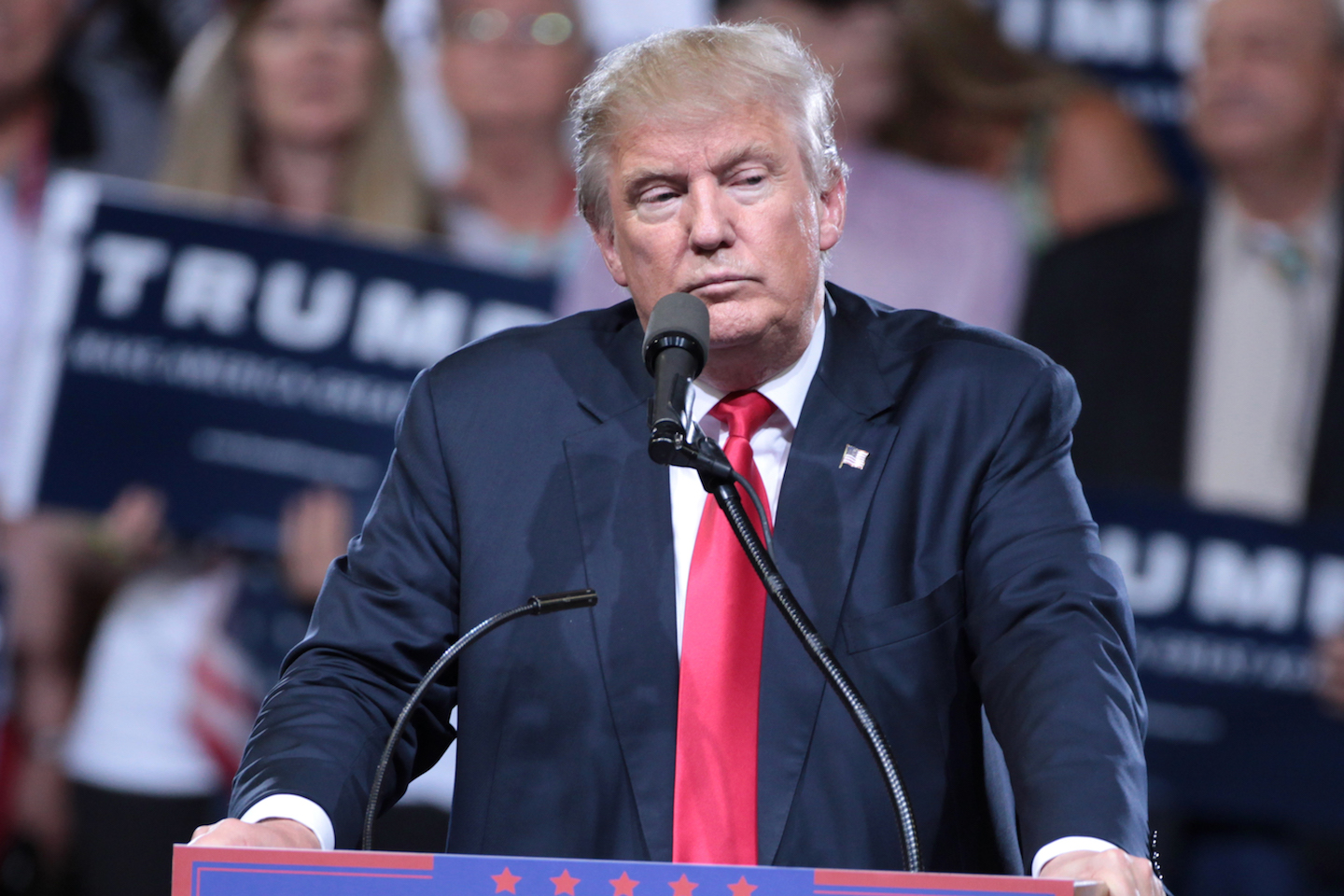
Donald Trump at a campaign rally in Phoenix, Arizona, 2016. (Gage Skidmore / Wikimedia Commons)
On Monday, Britain’s Channel 4 News revealed that the 2016 Trump campaign targeted individual black voters with social media ads intended to keep them away from the polls.
A cache of data used by the campaign’s digital operation shows that 3.5 million black voters were lumped into a category marked “deterrence,” designating people the campaign sought to dissuade from voting. Black people were enormously overrepresented in this “deterrence” group according to an analysis performed by Channel 4.
Trump’s digital campaign strategy relied heavily on data mining, which allowed it to target ads to particular individuals based on information gathered by Facebook, as is now well known. But while the method was disturbingly precise, the principle is familiar. Campaigns tailor ads to specific demographics all the time. And since Republicans know they have little hope of winning most black voters, they run negative ads designed to kill enthusiasm among black people for Democratic candidates instead, hoping even a small dip in black voter turnout could help Republicans in battleground states.