To Fight Racial Inequality, We Have to Attack the Power of Corporations
Corporations are a central driver of racial inequality in American society. But it’s not because they haven’t thought enough about racial injustice — it’s because their basic goal is to maximize profits, even when it decimates the lives of black people.
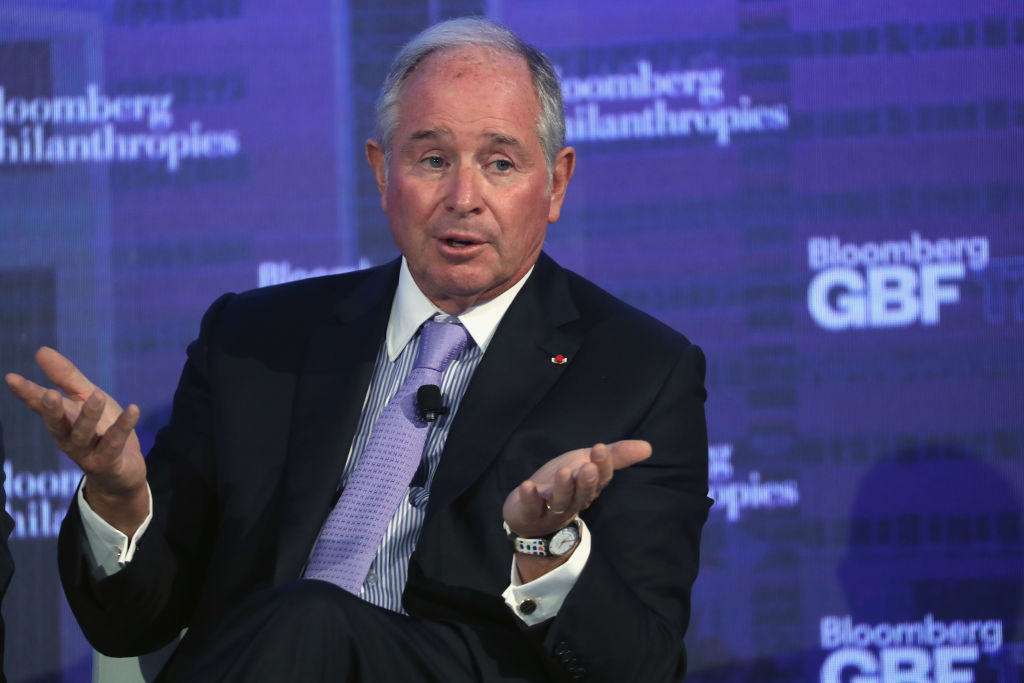
Blackstone CEO Stephen Schwarzman speaks at the Bloomberg Global Business Forum in 2017. (John Moore / Getty Images)
Since the uprising against police brutality and racial injustice erupted in late May, corporations have been falling all over each other to prove their anti-racist bona fides. The international accounting giant KPMG published a blog post by a senior associate explaining why he celebrates Juneteenth. The fruit snack brand Gushers, owned by General Mills, tweeted “Gushers wouldn’t be Gushers without the Black community and your voices.” Even the Business Roundtable got in on the action, proclaiming itself “deeply concerned about the racial bias that continues to plague our society.”
Unfortunately for the marketing consultants behind these moves, fewer people are buying what they’re selling. If corporations took racism seriously, one writer recently argued in the Washington Post, they would do things like “take strategic steps to recruit more black professionals,” “invest considerably more financial resources into black employee network groups,” and “ask black people for feedback and input on how to make the workplace less racist.”
This kind of skepticism is wholly justified. We shouldn’t mistake corporate statements or tweets for anti-racist action. At the same time, what’s most notable about the Washington Post list — which typifies the tenor of criticism coming from liberal quarters — is that it treats corporate anti-racism entirely as a matter of will. Corporations either want to be anti-racist or they don’t, and if they don’t, it’s a moral failing of their leadership.