Private Prisons Should Be Abolished — But They Aren’t the Real Problem
Anyone who examines privately owned US prisons has to come to the conclusion that they are abhorrent and must be eliminated. But they can also be low-hanging fruit used by opportunistic Democrats to ignore the much larger problem of — and solutions to — mass incarceration.
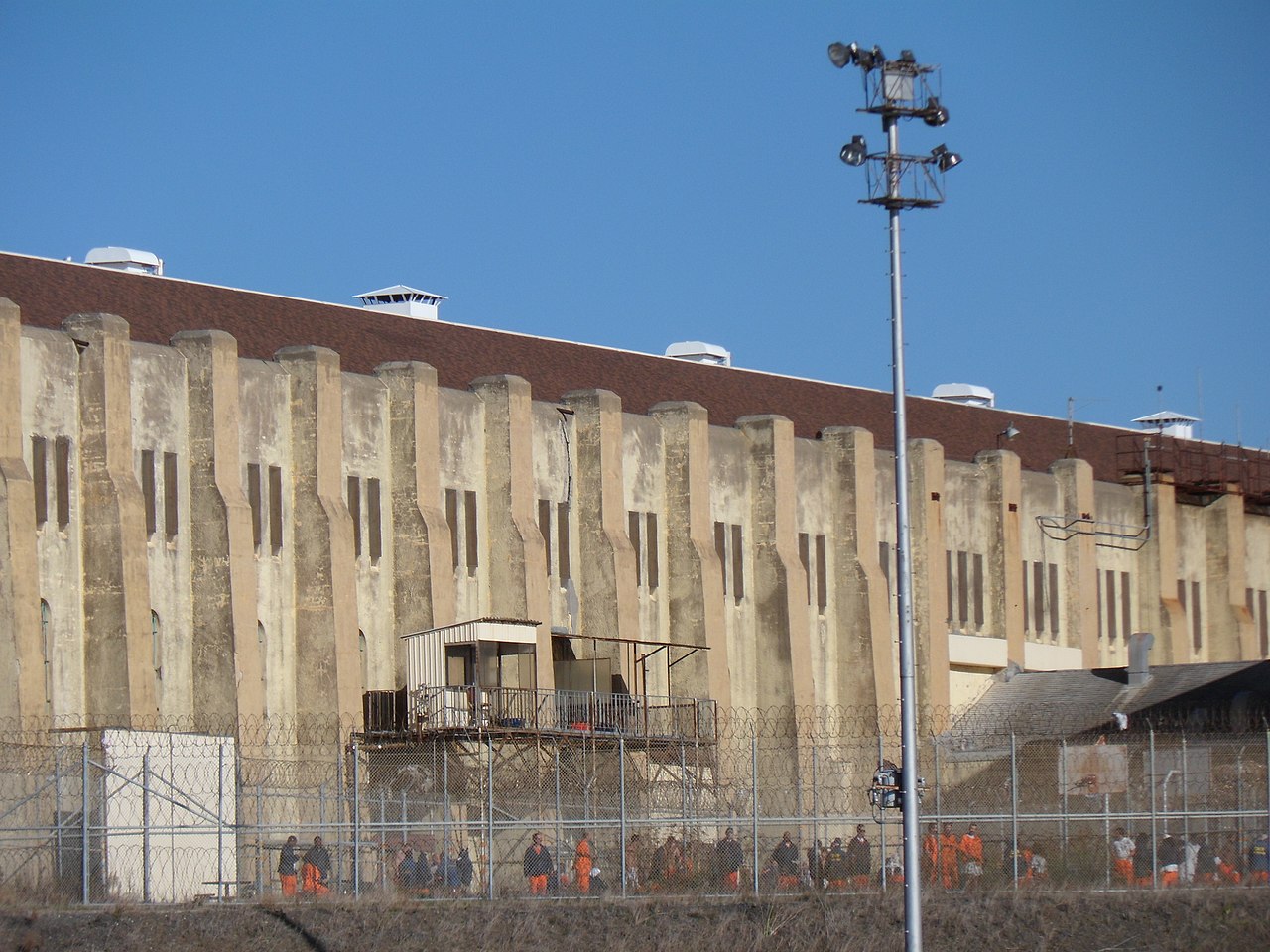
San Quentin State Prison in San Quentin, California in 2013. Zboralski / Wikimedia Commons
On March 9, Governor Andrew Cuomo announced that New York State prisoners would be producing hand sanitizer, just as incarcerated people and outside activists alike began pressuring for the widespread release of prisoners due to COVID-19. The irony wasn’t subtle: prisoners risking their lives to produce hand sanitizer for people in the free world put in sharp relief the kind of exploitative labor that the incarcerated are subjected to, even after a Democratic primary cycle that focused intently on private prisons.
Last June, former presidential candidate Kamala Harris tweeted “Let’s be clear: private prisons are making money off the incarceration and suffering of human beings. One of my first acts of business as president will be to begin phasing out detention centers and private prisons.” Though other candidates like Elizabeth Warren and Bernie Sanders had previously supported abolishing private prisons, it was most surprising coming from Harris, a former district attorney who supported criminalizing truant students, fought demands to release prisoners, and continued many of California’s tough-on-crime policies.
Many see the fight against private prisons as a potential win for anti-prison activists, a reflection of the ways in which criminal justice reform has become increasingly mainstream in the last decade. And private prisons are, of course, abhorrent. But the fight against private prisons can also be a cop-out, a way for Democratic candidates to pay lip service to supporting the rights of incarcerated people while implicitly supporting the status quo.