How the “Stranger Danger” Panic of the 1980s Helped Give Rise to Mass Incarceration
The 1980s saw the spread of a nationwide panic about “stranger danger,” a supposed epidemic of child kidnappings and murders. Under the guise of protecting children, the media-driven hysteria helped spur mass incarceration.
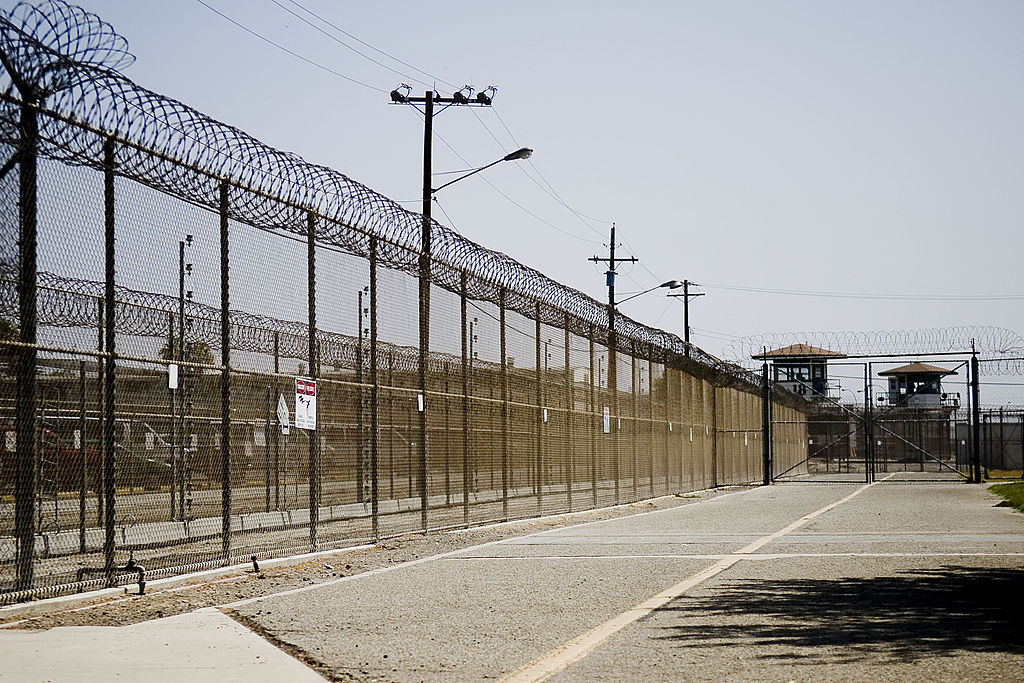
The California Institution for Men prison fence is seen on August 19, 2009 in Chino, California.Michal Czerwonka / Getty
The missing-child panic began with Etan Patz. Plenty of kids had gone missing before, but Etan’s case seemed specially designed to provoke a mass hysteria. In 1979, the six-year-old boy’s mother arranged for him to walk to the school bus stop on his own. She watched him depart from her Manhattan fire escape. Another mother was waiting two blocks away in an apartment overlooking the bus stop site, but Etan never arrived.
The tragedy was and remains impossible to comprehend. His first time walking to the bus stop? Two blocks away? With adults looking out for him? It meant something. There were powerful forces capable of unfathomable violence — forces previously undetected, possibly swiftly advancing, perhaps already everywhere — from which nobody was safe.
High-quality photographs of Etan taken by his father, a professional photographer, blanketed the city and the national news media for months, which stretched into years. Fear began to mount, and eventually all were afraid. Children’s faces, including but hardly limited to Etan’s, began appearing on milk cartons. In 1982, CBS Evening News informed rapt and terrified adults that up to fifty thousand American children were being kidnapped by strangers every year.