Ecuador’s Government Is Persecuting the Man Who Doubled Health Care Spending
In office from 2007 to 2017, Ecuador’s left-wing president Rafael Correa more than doubled investment in health care. But Lenín Moreno’s austerian regime has abandoned that legacy — and is now using the courts to silence those who criticize its response to COVID-19.
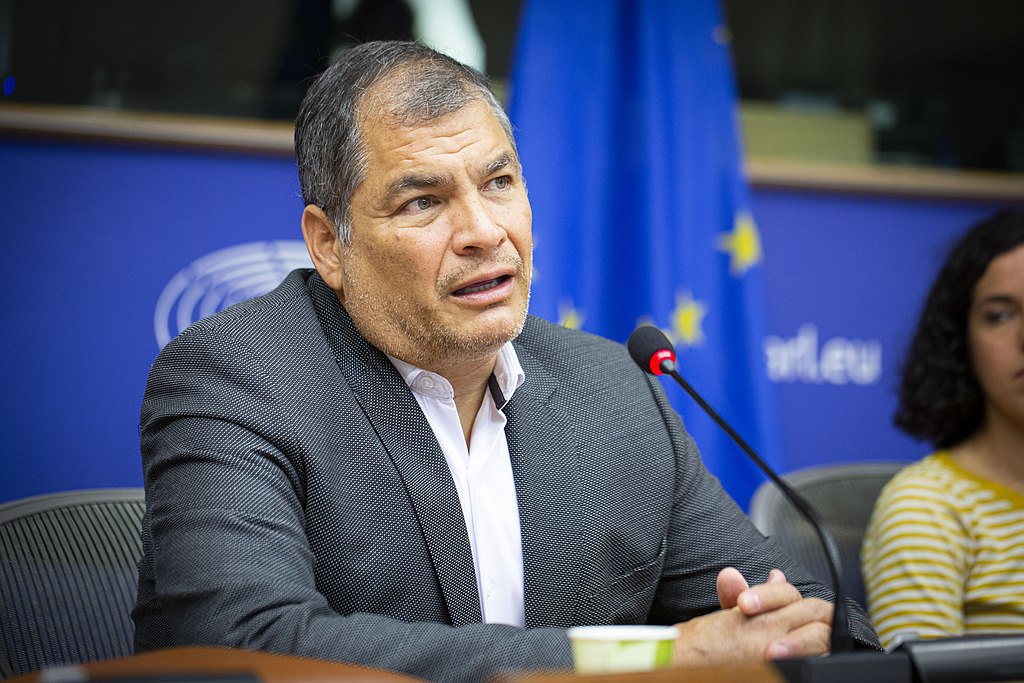
Former president of Ecuador Rafael Correa on October 16, 2019. (Wikimedia Commons)
On April 8 Ecuador’s National Court of Justice sentenced former president Rafael Correa and former vice president Jorge Glas to eight years in prison — while barring them from holding public office for the next twenty-five years. The court’s ruling marked an escalation of a vicious political and judicial campaign that has been waged against the two leaders, with Correa — tried in absentia — already facing twenty-five other charges ranging from alleged corruption to kidnapping. Glas continues to serve his existing six-year sentence in the Latacunga maximum security prison for his alleged participation in the Odebrecht bribery scandal.
Ecuador has become a key battleground in the continent-wide campaign of lawfare — the political persecution of left-wing and progressive leaders and movements by way of judicial proceedings often lacking due process or credible evidence. In both this case and the recent proceedings in Brazil, directed against former president Lula, such lawfare bears clear patterns of collusion between the prosecution and reactionary political elements within the state.
But what’s also worth noting here is that the offensive against Glas and Correa — still today a popular opposition leader — comes at a moment of crisis in Lenín Moreno’s government. Its mismanagement of the COVID-19 pandemic and the revelation of hundreds of undocumented deaths threatens to bring about the biggest socioeconomic crisis since the financial collapse and dollarization of 2000–1.