Mayor Bernie Sanders’s Trial by Fire
Faced with wall-to-wall obstruction from the Burlington, Vermont city establishment, a newly elected Mayor Bernie Sanders won a series of early fights that showed the country what a creative, pro–working-class socialist government could accomplish at the local level.
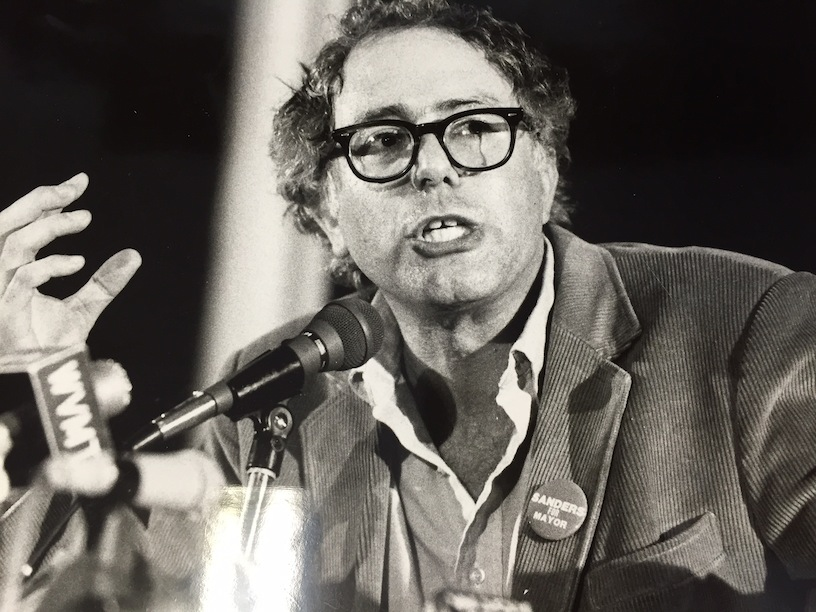
Bernie Sanders campaigns for Burlington mayor in 1981. (Vermont Press Bureau)
“This is politics,” wrote Chittenden Superior Court Judge James B. Morse. “This court shall not enter the political thicket.”
Nearly three months after Bernie Sanders had hit Burlington’s board of aldermen with a lawsuit for rejecting his political appointments without so much as interviewing them, the judge was throwing it out of court. It was the latest setback in a year defined by nothing but.
Having been elected mayor by the slimmest of margins half a year earlier, Sanders had hoped to pursue a transformative progressive agenda and build political power in Vermont’s biggest city. Instead, he had found himself locked in a political battle with its Democratic aldermen, who were determined to stymie him and reclaim the office for themselves. When they had blocked his appointments — the surest way in the city’s weak-mayor system to get much of anything done — he had fired back with the lawsuit.