How Mayor Bernie Sanders Orchestrated a Political Revolution
Elected mayor of Vermont’s biggest city, Bernie Sanders found himself stymied by an obstructionist local establishment at every turn — until he and the movement behind him started fighting back and winning.
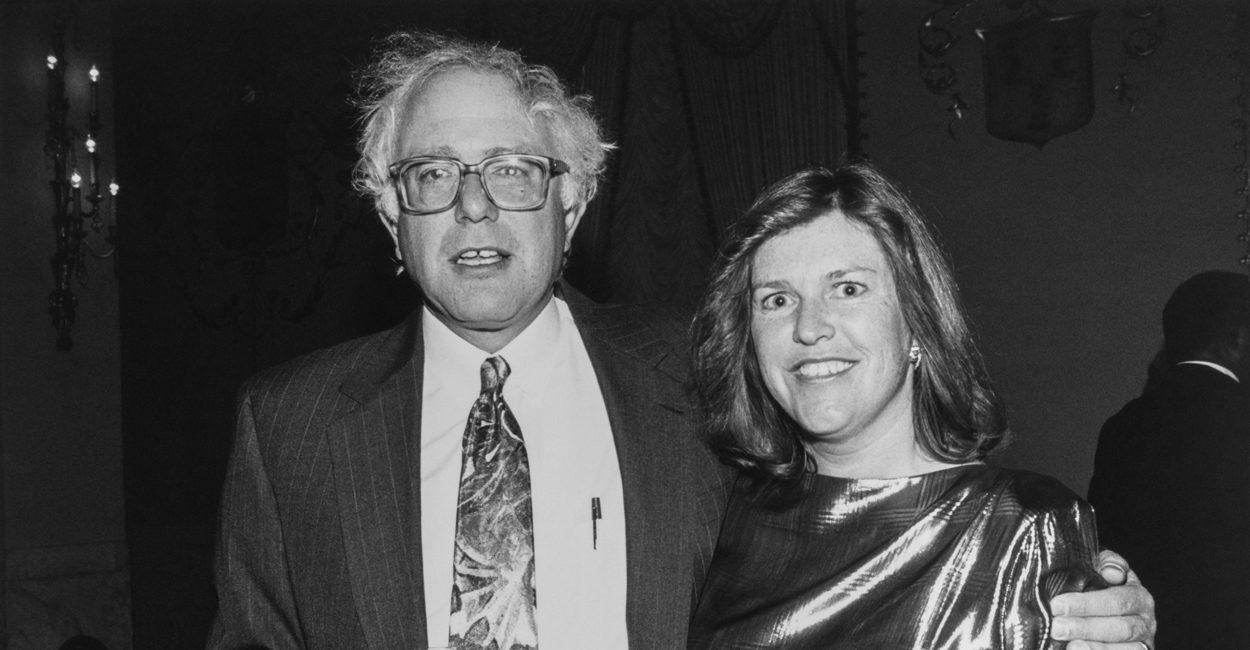
Bernie Sanders and his wife, Jane. (CQ Archive / Getty Images)
As spring gave way to summer in Burlington in 1981, the weather may have been looking up, but prospects for Bernie Sanders’s mayoralty were not.
In his first hundred days, Sanders had his secretary fired, was visited by the FBI, and had all of his political appointments blocked. The establishment’s plan to dig in and win through attrition seemed to be working. Worse, he was forced to keep city government afloat through a proposal for a modest tax hike and an austere budget even he admitted was regressive — and whose enactment by public vote was far from assured.
So Sanders and the movement that helped put him in power got to work. The series of setbacks dealt to Sanders’s administration galvanized both the mayor and his supporters, who rallied and fought back. By the end of his first hundred days, Sanders would match his defeats with victories and swing momentum to his side.