We Can’t Let Labour Return to the Pre-Corbyn Wilderness
As votes are counted in the Labour leadership election, the party faces a dangerous period: Keir Starmer, the favorite to win, is likely to try to drag the party back to the dark ages of top-down politics and centrist equivocating.
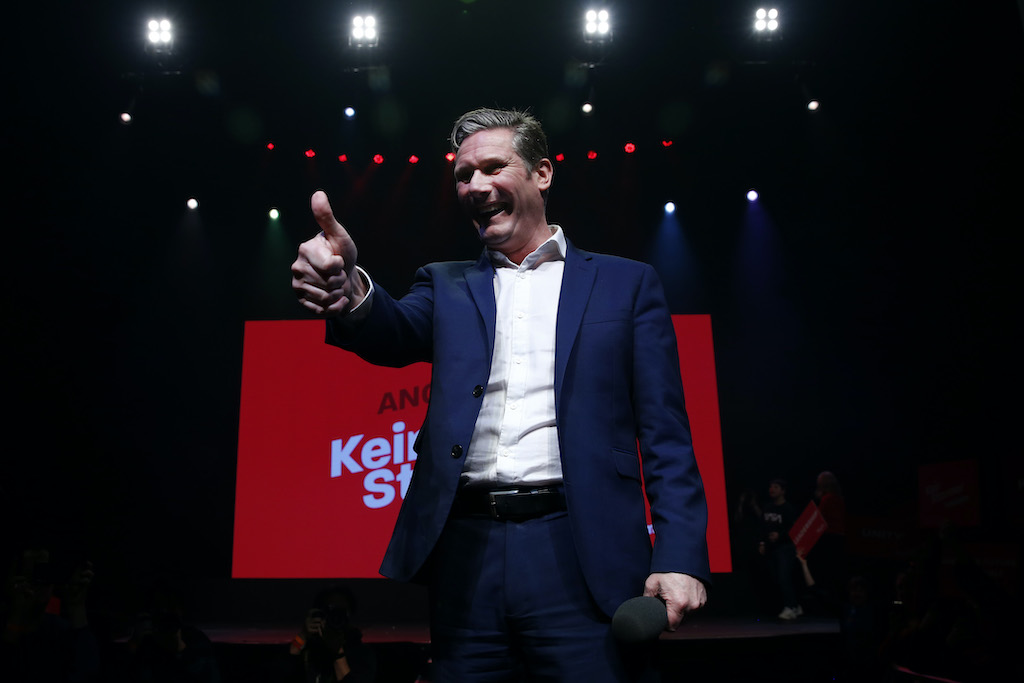
Labour leadership candidate Sir Keir Starmer speaks at a leadership campaign rally at the Roundhouse on February 16, 2020 in London. Hollie Adams / Getty.
Over the two months since the 2019 general election, ballots have trickled in for Labour’s leadership election. After the party’s defeat, figures throughout Labour spoke of the desperate need for a “period of reflection.” In reality, the near-instant leadership race essentially blocked that: with candidates jostling to secure enough backing at each stage, factions fought to gain a foothold rather than pause to consider precisely who the party lost, what policies or tactics turned voters off, or how the electorate could be won back.
This has been a problem for decades: with any crushing defeat, the leader is sacrificed instantly and a new figurehead is sought. In an ideal world, a genuine period of reflection would involve the incumbent leader acting as a caretaker while a broad section of party officials, from the shadow cabinet down through elected councilors and lay members of the party would conduct an inquiry into the demographics of who the party lost; the reasons for former Labour voters abandoning the party; why some people didn’t vote at all; and what happened in areas where Labour votes surged and bucked the national trend.
Instead, we’ve been treated to an incredibly lengthy procedure in which very little has happened at all. After a brutal election period in which many sections of the media ran riot in their over-the-top vilification of the party, the leadership battle has crawled along. Compared to previous selections, there are far fewer candidates: in 2010 six candidates vied for the top spot, while four did so in 2015. The three candidates this time — Lisa Nandy, Rebecca Long-Bailey, and the favorite, Keir Starmer — give voters slightly fewer choices, but also show that the right of the party is nervous about splitting the vote and allowing Long-Bailey through.