Political Struggle Is the Answer — Not Conspiracy Theories
A conspiracy theory rocketing around South African social media claims that the real Nelson Mandela died in 1985. It’s a desperate attempt to make sense of the rampant inequality still gripping the post-apartheid country — but only socialist politics, not conspiracy theories, can diagnose the problem and offer a just solution.
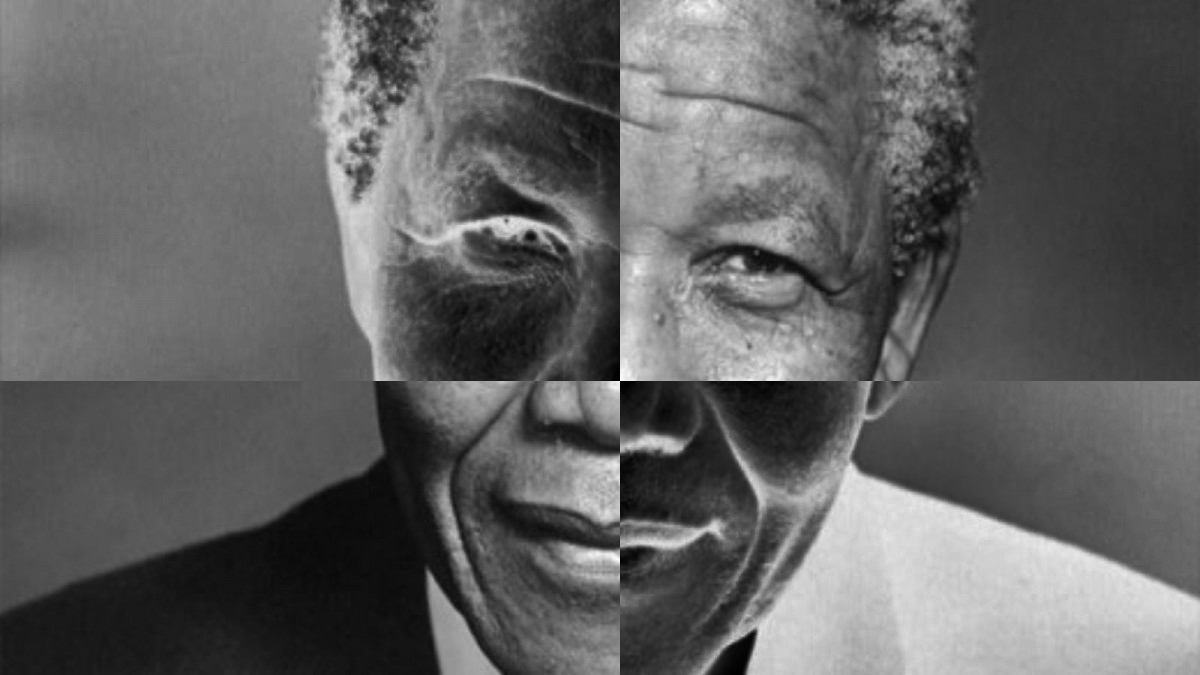
Once canonized and unassailable, the legacy of Nelson Mandela, South Africa’s most iconic political figure, is now tortured. The fact that post-apartheid South Africa exists in a state of unending political, economic, and social despair has led many to disillusionment with Nelson Mandela and the political settlement that he came to represent.
The current South African political order — in terms of the Constitution, the governance system, and economic policy framework — bears the imprint of Mandela’s generation. Mandela’s reputation as a world statesman derived from the so-called success of the transition. But South Africans are divided about their first democratic president. Depending on who you ask, Mandela is either fondly remembered as a hero of liberation or scornfully derided as a “sellout.” And more recently, those unwilling to seat themselves on either side of what feels like an existential divide have become satisfied with a third option: one where Mandela is neither a god nor a fallen angel but, with atheistic incredulity, is cast as nothing more than myth — literally.
Last week, South African social media was ablaze with fresh allegations that the real Nelson Mandela died in 1985 at the age of sixty-seven years. This, the conspiracy went, explained why, on Mandela’s birthday, South Africans are encouraged to perform “sixty-seven minutes” of charity. And, more important, that after Mandela supposedly died in 1985, the apartheid government installed an imposter by the name of Gibson Makanda to play Mandela. That is the man who negotiated the end of apartheid and would be the country’s first democratic president. For good measure, some on Twitter credited the Illuminati for all this, an antisemitic conspiracy whereby a supposed small network of individuals run the world. The implication was that the man leading the African National Congress’s negotiations with the National Party in the early 1990s was not the radical freedom fighter but instead a puppet of his very opposition. Although this conspiracy has circulated for a while without gaining real traction, it made a proper comeback in July last year when an image of a younger Mandela’s face was put into the popular FaceApp application. FaceApp “revealed” that its version of an aged Mandela looked nothing like the man released to the world from Victor Verster Prison on February 11, 1990.