The Power of the Black Working Class
Over the last four hundred years, black workers have played a vital role in shaping the US’s political economy. In order to understand America, we have to understand the struggles of the black working class.
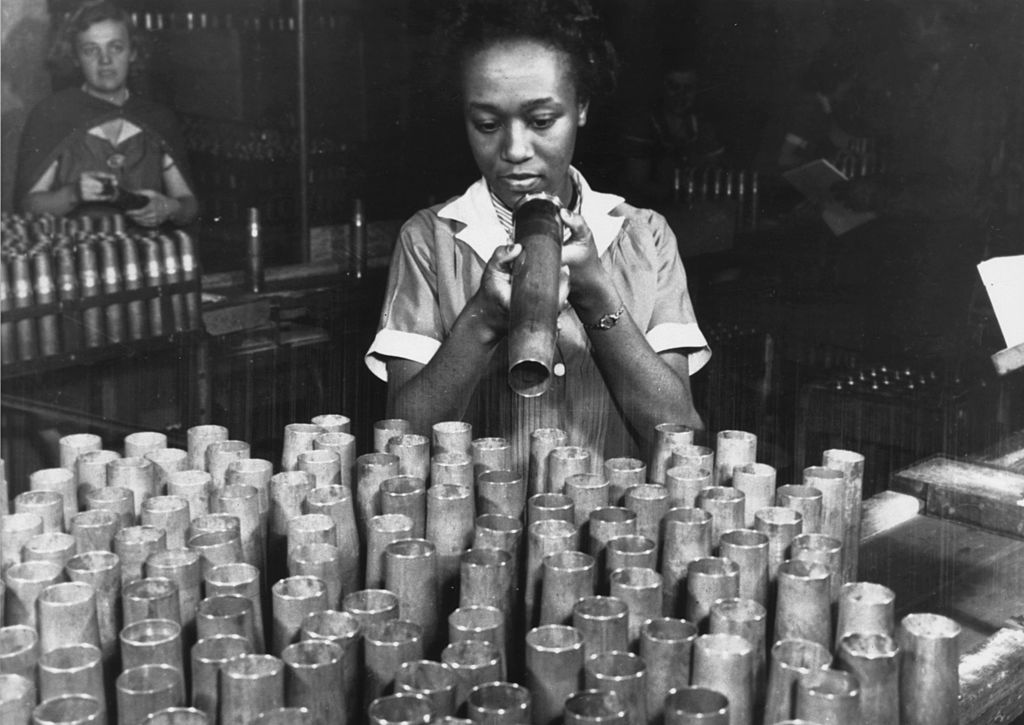
An African-American war worker in a munitions factory, circa 1940.Hulton Archive / Getty
In an important new book entitled Workers on Arrival, historian Joe William Trotter Jr charts the dynamic history of black workers in the United States, revealing how the labor of African Americans helped build the nation — and the world. His research highlights the unique challenges black workers have faced in the United States as well as their remarkable historical contributions.
Historian Keisha Blain recently spoke with Trotter about the “golden age” of the black artisan, the Great Migration’s role in reshaping the black working class, the various ways that black workers helped construct American cities, the forms of discrimination African-American laborers faced at the hands of racist employers (and at times racist unions), the composition of the contemporary black working class, and much more. Their conversation has been condensed and edited for clarity.
Keisha N. Blain
The timing of your book’s release is especially significant as we reflect on the four-hundredth anniversary of the arrival of an estimated twenty Africans in Jamestown, Virginia in 1619. And this is where your narrative begins — what you describe as the “preindustrial beginnings” of the black working class. Tell us more about how black workers helped to “construct the colonial city.”
Joe William Trotter, Jr