Portugal’s Welfare State Is Still in Danger
Victory for the Socialists in last month’s Portuguese election rewarded its successes in easing austerity. But for the Left, the fight isn’t over — especially as the European Union tightens the screws on the country’s public spending.
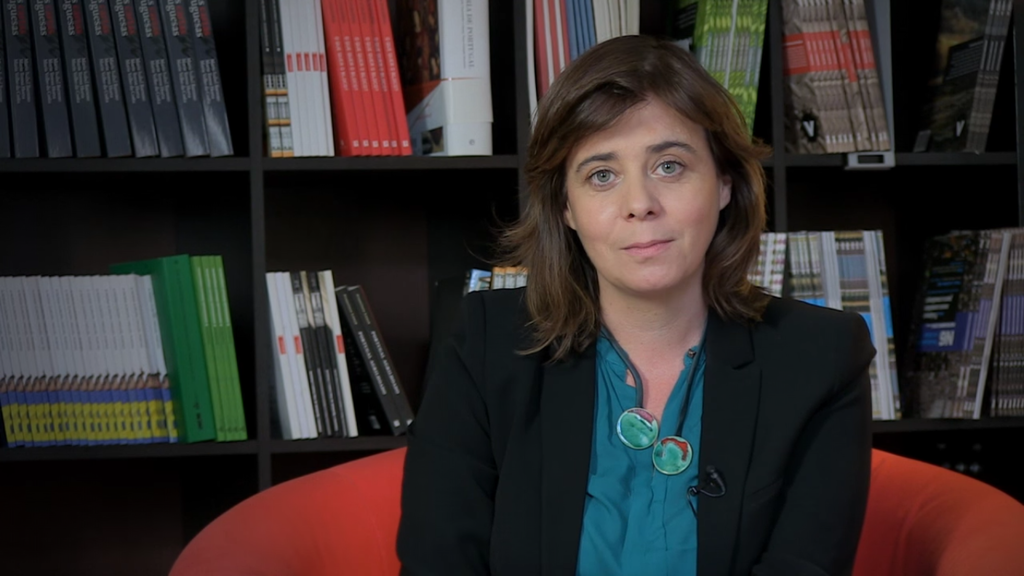
Catarina Martins, national coordinator of Portgual’s Left Bloc. Somos Bibliotecas / Wikimedia Commons
As far-right forces surge across Europe, Portugal looks like something of an exception. This particularly is owed to the advances for António Costa’s Socialists, perhaps the most successful center-left party anywhere in Europe. In government since 2015 with the support of the Left Bloc and the Communists, Costa’s party romped to victory in last month’s general election and is today back in power as a minority government.
This replaces the previous “geringonça,” or “contraption,” arrangement, where the left-wing parties could directly influence the Socialist-led government. Indeed, their own results have been rather less positive: the Communists lost both votes and seats in October’s contest, while the Left Bloc maintained its nineteen MPs. In May, the Left Bloc was one of just two radical-left parties in Europe to gain more seats in the European Parliament.
The end of the geringonça calls for reflection on its record — and what the radical left can achieve in partnership with social-democratic parties. While the 2015–19 government did treat the symptoms of poverty, from a rise in the minimum wage to free school books and transport fare cuts, other parts of its record are more precarious. In particular, low public investment and a failure to restructure the public debt are building up problems for the future — ones that could explode when the Eurozone hits its next crisis.