The Labour Party’s Green Revolution
Labour's plans to invest in a million green jobs can transform the very parts of Britain decimated by Margaret Thatcher's economic reforms — and begin to undo the damage of deindustrialization.
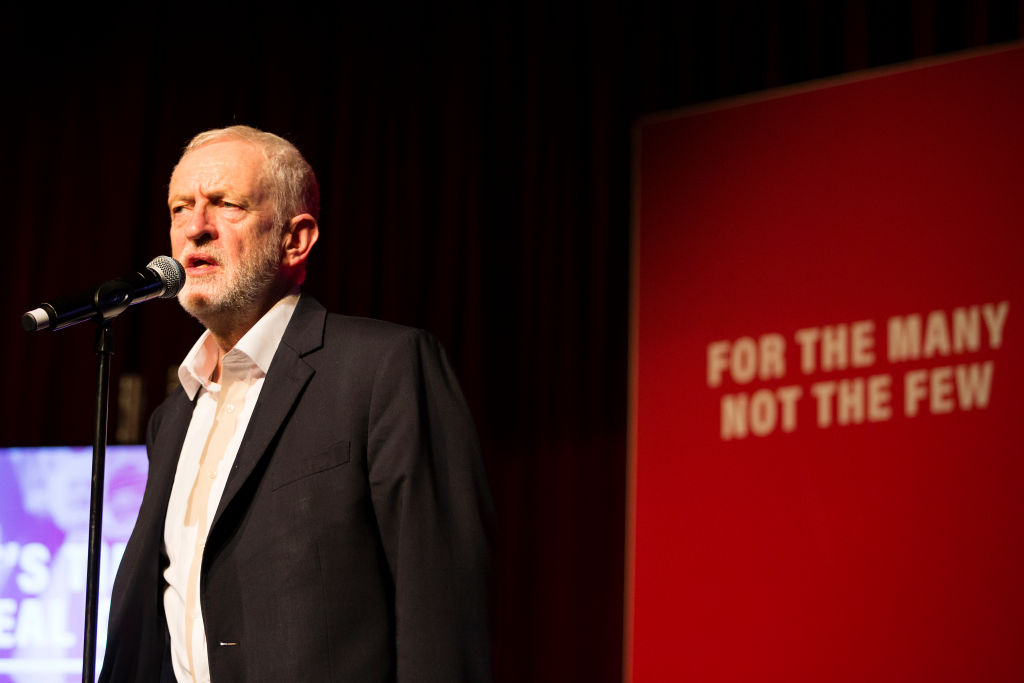
William Dax / Getty Images
Visiting marginal constituencies across the Midlands on Labour’s Battle Bus gives a stark sense of the challenges Labour faces in the upcoming election. In some areas, the sense of apathy among many traditional Labour voters is palpable. Activists have been worn down on the doorstep by constant complaints about Labour’s Brexit position and a general disdain towards politicians, Jeremy Corbyn included.
It would be wrong to suggest that communities like Ashfield, Walsall North and Mansfield have been “left behind” — as though the rest of the country has been steaming ahead whilst these communities remain rooted in the past. Rather, successive governments deliberately promoted the interests of finance in the City of London at the expense of these communities — they are not simply frozen in time, they have been actively underdeveloped.
The process began with Thatcher’s assault on the labor movement, which tore many communities apart. This was followed by decades of deindustrialization, driven in part by the declining competitiveness associated with an overvalued currency, which deprived them of good jobs. Next came the financial crisis, the costs of which have been borne disproportionately by the regions.