The Man Who Couldn’t Save East Germany
Egon Krenz told Jacobin about his time as East Germany’s last Communist leader.
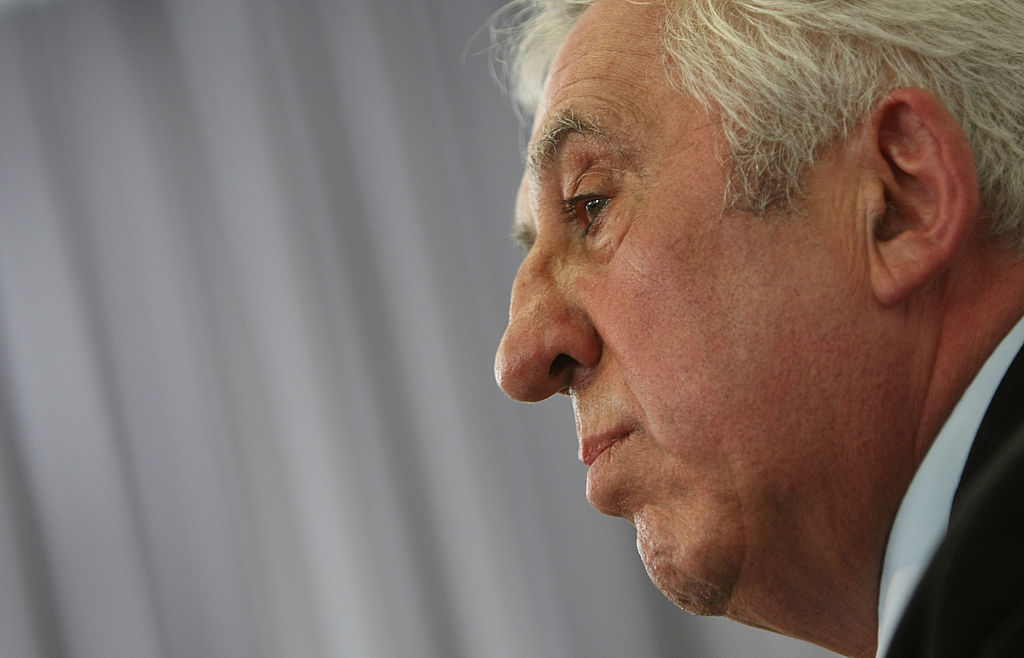
Egon Krenz, the last leader of the former, communist East Germany, speaks to the Association of Foreign Journalists on September 24, 2009 in Berlin, Germany.Sean Gallup / Getty
It was the beginning of the end. On November 9, 1989 footage spread around the world of crowds celebrating in the German capital, as the border-crossing between East and West opened for the first time. The most iconic symbol of the Cold War division of Europe, the “fall” of the Berlin Wall soon led to the demise of the German Democratic Republic (GDR) — the state created in East Germany after the defeat of Nazism.
On the thirtieth anniversary of these events, the GDR’s history remains controversial. For its harshest critics, this state was nothing but a “second German dictatorship” dominated by its secret police and the border walling its citizens in. Other accounts highlight more normal elements of everyday life — or even look back positively on the GDR’s social system, from its strong welfare guarantees to its full employment and solidaristic culture.
The GDR’s political leader during its final weeks of crisis was Egon Krenz, who had long been heir apparent to Erich Honecker. Taking over his mentor’s posts on October 18, 1989, Krenz was immediately pitched into crisis, faced with rising street protests, pressure on the GDR’s foreign debt, and wavering support from the Soviet Union. Though Krenz promised internal reforms, the GDR had reached its nadir, and he was unable to avert its collapse.