The Cooperative Option
Mutual aid cooperatives in Latin America give us a glimpse of what democratic social housing could look like.
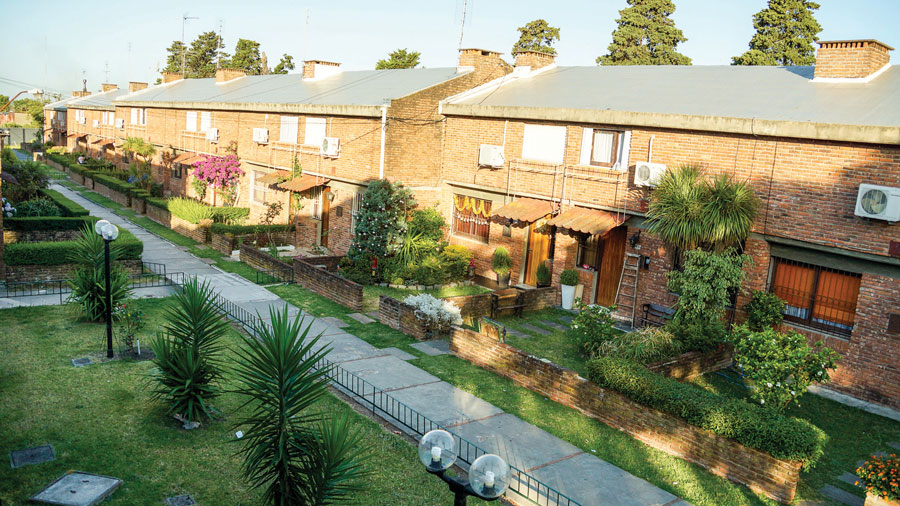
Zona 6 (Photo by Jerónimo Díaz).
The mid-twentieth century saw unprecedented urbanization in Latin America. Millions of migrants were left to fend on their own in cheap rental housing in city centers, or forced to find alternatives in peripheral areas.
Irregular land markets and occupations surged, giving birth to “favelas” in Rio de Janeiro, “pueblos jóvenes” in Lima, the “villas” of Buenos Aires, “ranchos” in Caracas, and “cantegriles” in Montevideo.
Life within this self-built, low-cost housing came with deep insecurity for residents — lack of access to basic public services such as potable water and sanitation, extensive distances from public transit and work sites, and insecure rights of tenure, often resulting in displacement by state authorities.