The Limits to Science
Science has immense potential for emancipation — but it must be rescued from its anti-democratic ideologues.
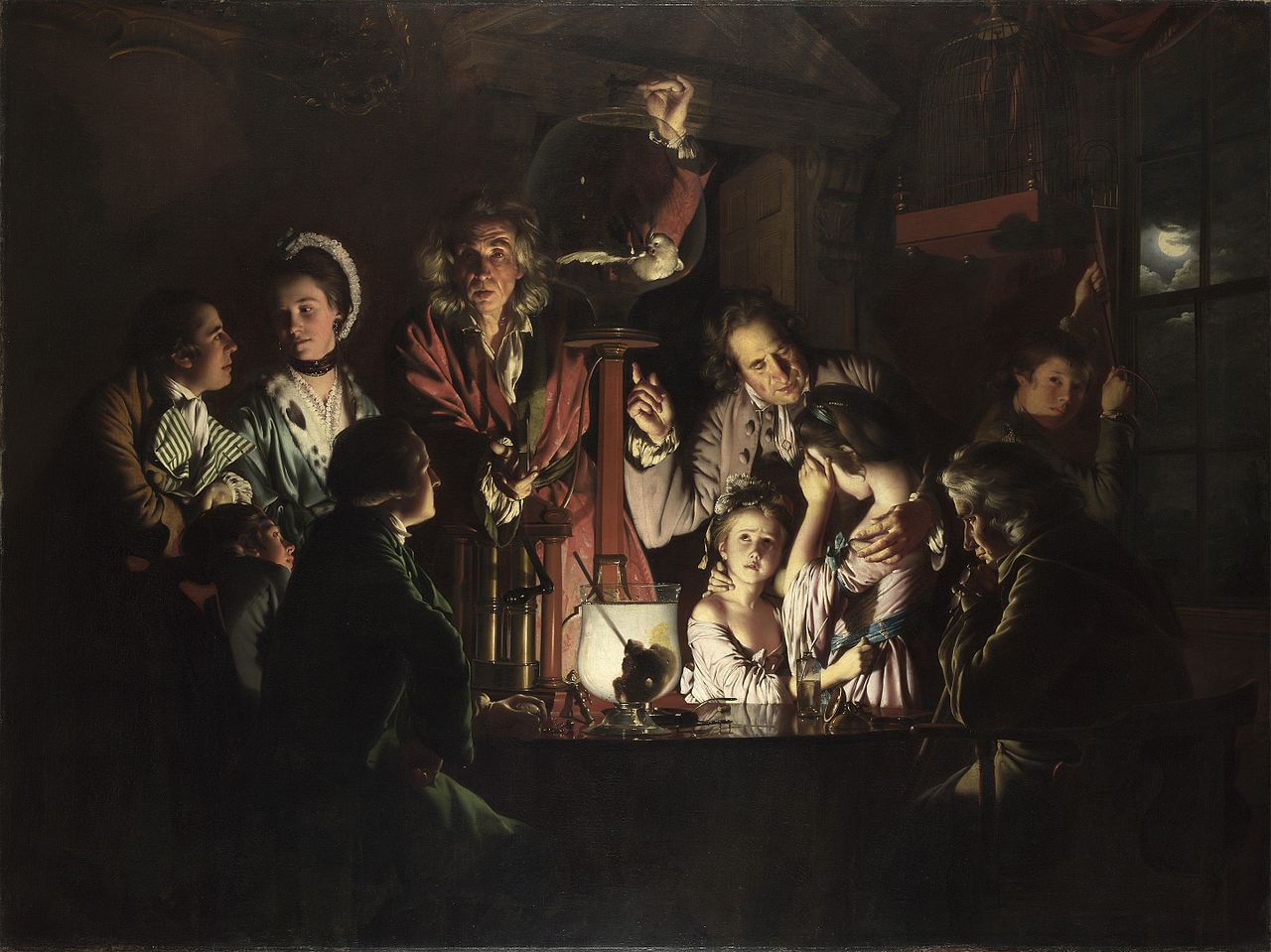
An Experiment on a Bird in the Air Pump, 1768 oil-on-canvas painting by Joseph Wright of Derby.Wikimedia
This article was originally published in Science for the People Vol. 16, No. 6, Nov/Dec 1984. Science for the People, a leading radical left-wing science publication that ran from 1970–1989, has seen a resurgence since 2014. Activists are planning a relaunch of the magazine, including republication of its complete archives, beginning later in 2018. For more information on Science for the People’s activities and archives, please visit their website.
For the great ideological “spokesmen” of science, from Francis Bacon onward, science has always been without limits; about “the effecting of all things possible.” Human curiosity, after all, is boundless. There seems to be an infinity of questions one can ask about nature. At the end of his long scientific career Isaac Newton felt, he said, as if he had merely stood at the edge of a vast sea, playing with the pebbles on the beach. What is more, because science is not merely about the passive knowledge of nature but about the development of ways of changing it, of transforming the world through technology, these same apologists offer us a breathtaking vision of the prospect of a world, a nature — including human nature — made over in humanity’s image to serve human needs.
It is only when one looks a little more closely at these visions that one sees that a science which claims to speak for the universality of the human condition, and to seek disinterestedly to make over the world for human need, is in fact speaking for a very precise group. Its universalism turns out to be a projection of the needs, curiosity, and ways of appreciating the world not of some classless, raceless, genderless humanity, but of a particular class, race, and gender who have been the makers of science and the framers of its questions indeed since Francis Bacon’s time.