Hyman Minsky Was a Powerful Critic of Capitalism
The economist Hyman Minsky died 30 years ago today. Best known for his theory of financial instability, Minsky developed a view of capitalism and its mutations that was far more radical than many of those who cite his work appreciate.
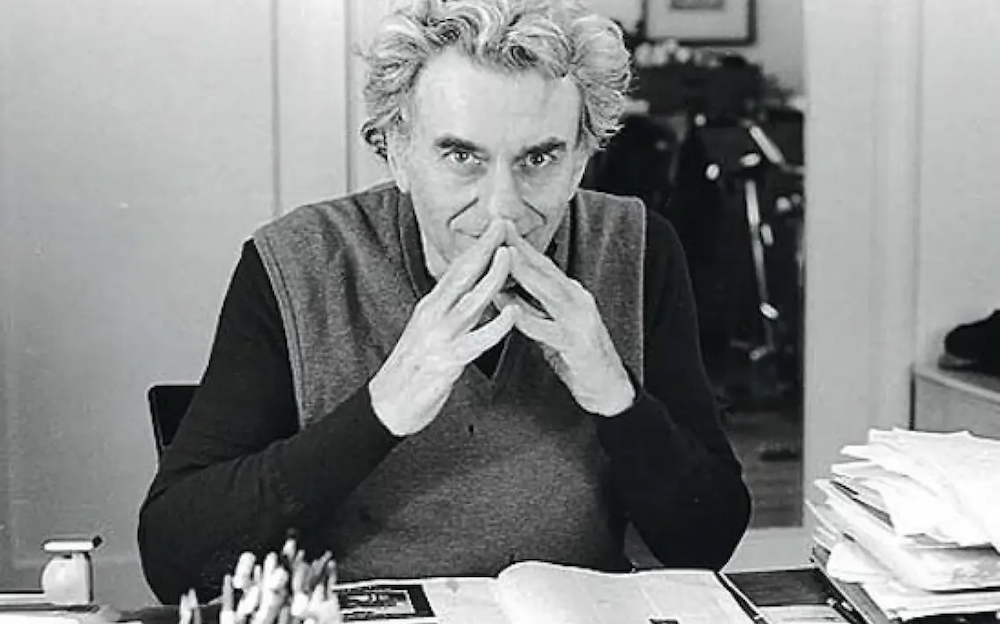
Hyman Minsky understood that financial instability is generated by capitalism’s always changing forms. Stabilizing the system without changing its structure will simply pave the way for the next crisis. (Pontificador / CC BY-SA 4.0 [lightly cropped])
Thirty years after Hyman Minsky’s death, his name is more familiar than his political economy. Whenever asset prices collapse, leverage suddenly matters, or a financial boom turns into panic, someone announces a new “Minsky moment.”
The phrase has become shorthand for the point at which a speculative expansion can no longer sustain itself. Hedge finance turns into speculative finance, speculative finance into Ponzi finance, and a structure that appeared stable suddenly discovers that everybody cannot become liquid at the same time. This posthumous fame has narrowed our understanding of Minsky’s legacy.
He was not primarily a prophet of crashes. Rather, he was a theorist of a capitalism that changes its institutional form, and of the ways financial instability itself helps produce those changes. He was also a severe critic of Keynesianism. That is the Minsky worth remembering today.