In Italy’s Financial Capital, Socialism Is Back in the Air
With his down-to-earth focus on cost-of-living issues, Milan mayoral candidate Lorenzo Pacini is seeking to reconnect with Italian traditions of city-hall socialism.
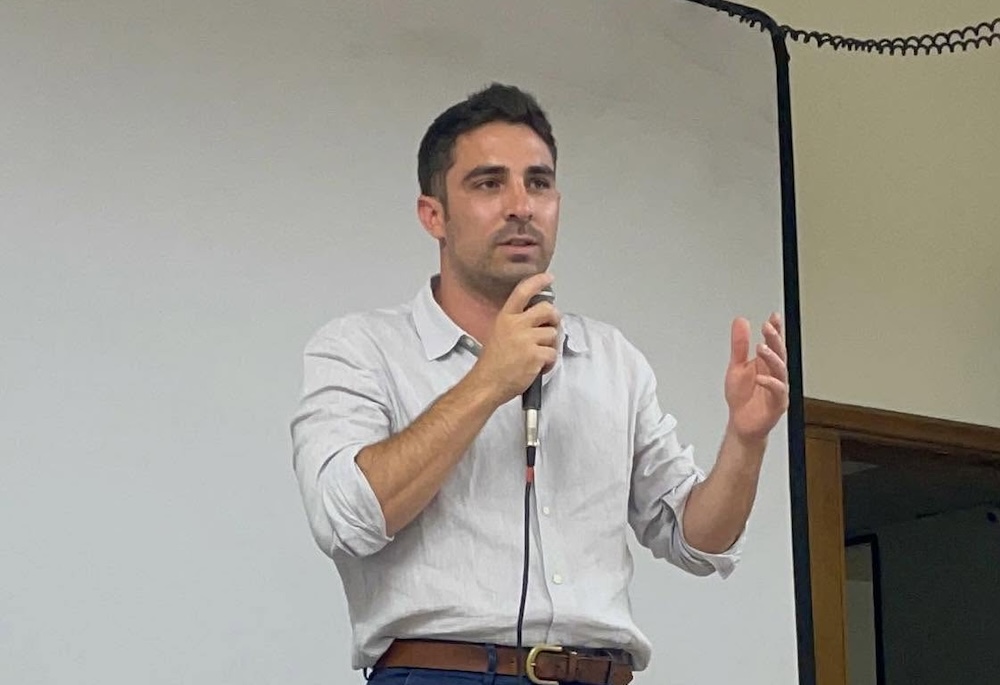
Milan is Italy’s richest city, and its least affordable. While local center-left politicians share much blame for this situation, Democratic primary candidate Lorenzo Pacini is pushing for a return to working-class politics. (Facebook)
One in twelve people living in Milan is a millionaire. A report by the consultancy Henley & Partners ranks Italy’s second-largest city and financial capital as the world leader for millionaires per resident, well ahead of New York City, where the figure is one in twenty-two. A growing number come from abroad, drawn not just by the vibrancy of Italy’s fashion hub but also generous tax breaks for wealthy newcomers.
For everyone else, Milan tells a very different story. The cost of living is soaring, and with rents and house prices spiraling out of control, working people are being pushed to the suburbs. Add to that the fact that the public health system is in crisis, with private health care giants opening clinics across the city.
All of this has unfolded under center-left administrations that have governed Milan without interruption since 2011. These trends predate that year, of course. But in the last fifteen years the city’s center left has not merely witnessed the transformation but helped it to thrive.