What Do We Actually Mean When We Talk About Class?
Socialist politics is a class politics. A clear conception of class is essential for our political strategy.
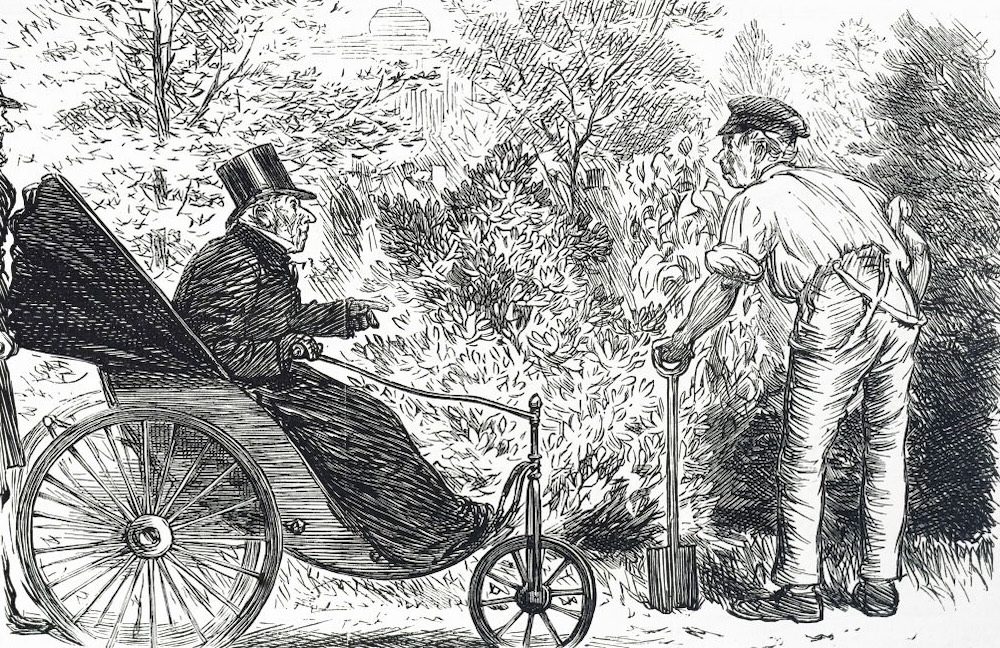
The way we think about class often involves a lot of subjective feelings and even confusion. Distinguishing between the many discrete categories we invoke when we use the idea of class can clarify our thinking and our politics. (Universal History Archive / Universal Images Group via Getty Images)
The American discourse on “class” is a mess. It seems like everybody has their own private meaning of the word, and not just at the boundaries of the term but also regarding many core aspects of it. In debates about how to sort contested individuals into one class or another, the normal mode of engagement is to provide a fuzzy mini-narrative about someone’s life and then conclude that something about that narrative makes it obvious what the person’s class must be. The best way to predict what someone is going to conclude about what class a contested individual belongs to is to first determine whether they, for unrelated reasons, like or dislike the person. Somewhat bizarrely, when people have favorable inclinations toward someone, they tend to say they are lower class, and when they have unfavorable inclinations, they tend to say they are higher class.
Some of this just reflects the usual bad faith and motivated reasoning that infects any sort of political discourse. But some of it also just reflects the slipperiness of the term. People conflate economic class and social class, but also define each of those sub-concepts differently. Within conventional usage, there are many different indicators of class, which means it is possible, and in fact common, for the same person to have a mix of indicators that point in different directions. For example, someone can have a high education and a low income, a high job and a low education, a low childhood and a high adulthood, or high wealth and a low job.
There are divergent opinions about which of the various indicators should be used in an assessment of class, what weight to give each of them if you decide to use multiple indicators, and whether to use a conjunctive assessment (i.e., all of the indicators have to be low for someone to be low class) or a disjunctive assessment (i.e., only one of the indicators has to be low for someone to be low class).