Toronto’s Transit Crisis Is a Class Crisis
The rich are ride-hailing their way out of public transit, draining fare revenue from the system. It’s another instance of the accelerating economic segregation of the public sphere.
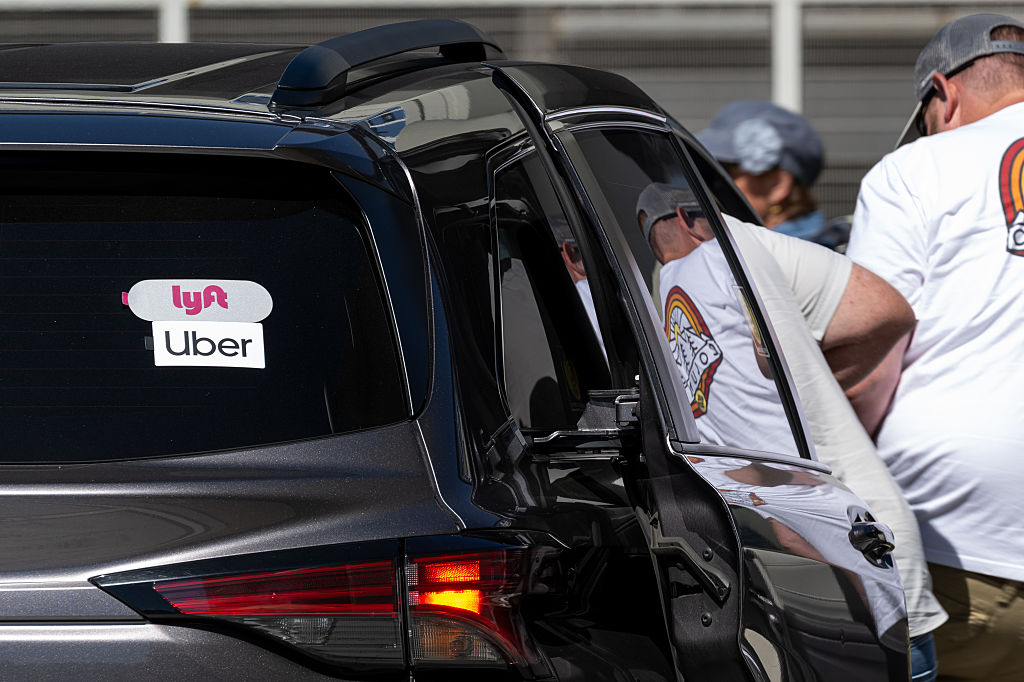
Toronto households now spend more than $440 million a year on Uber and Lyft. High-income riders are spurring the shift, relying on the service of drivers earning less than $6 an hour. (David Paul Morris / Bloomberg via Getty Images)
Toronto households spent more than CA$440 million on ride-hailing services like Uber and Lyft in 2023 — just over half of what they spent on public transit. Among households earning $200,000 or more, spending on ride-hailing has surpassed spending on transit: $146 million to $118 million.
That finding captures something larger than a shift in transportation preferences. It is evidence of a class exit from the public commons, one that is accelerating the fiscal decline of the city’s public transit provider, the Toronto Transit Commission (TTC), while enriching a ride-hailing industry whose drivers earn a median of less than $6 an hour after expenses.
It is evidence of an increasing economic segregation of the public sphere, mirroring the scandalous rise of private inequality. With a possible provincial takeover of ride-hailing regulation, the City of Toronto may have missed a decade-long opportunity to act.