Alexander Kluge Fought and Won Against the Culture Industry
The death of the filmmaker and Marxist theorist Alexander Kluge marks the loss of a voice that insisted the horrors of the last century were not confined to the past. They live on in the continued existence of imperialist wars.
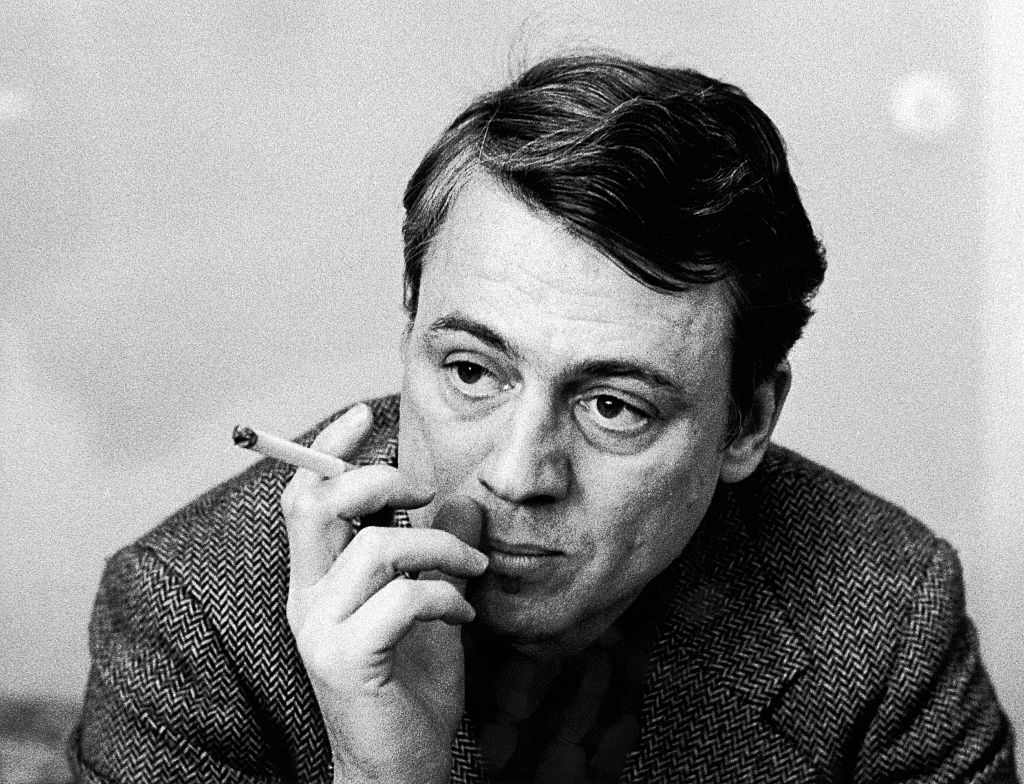
The filmmaker, novelist, and Marxist theorist Alexander Kluge set out to show that art, freed from commercial constraints, could offer a vision of what a life without capitalist domination could look like. (Rudolf Dietrich / ullstein bild via Getty Images)
When I found out that Alexander Kluge had died at age ninety-four on March 25, I picked up my copy of Case Histories, his first short story collection. Kluge was a postwar polymath: an innovative filmmaker, television producer, Marxist theorist, lawyer, and a writer of provocative and political fiction.
He wrote Case Histories, so the story goes, in the cafeteria of a West Berlin film studio in 1959. His mentor, Theodor Adorno, had arranged for Kluge, at that time the Frankfurt School’s young lawyer, to help the exiled German director Fritz Lang make his return to filmmaking in his home country.
Kluge found the experience of watching the great auteur wrangle with German movie executives depressing. Lang was, he felt, disrespected by producers who constantly overruled him. But the episode had some value for Kluge. It helped inspire a deep suspicion of the commercial aspects of cinema and pushed him to guard his artistic practice against submission to a system that turned a work of art into formula.