Why They Hated Rosa Luxemburg
Today is the birthday of the revolutionary Rosa Luxemburg. Routinely reduced to an inoffensive libertarian figure, the harder edges of her class-struggle politics are often ignored.
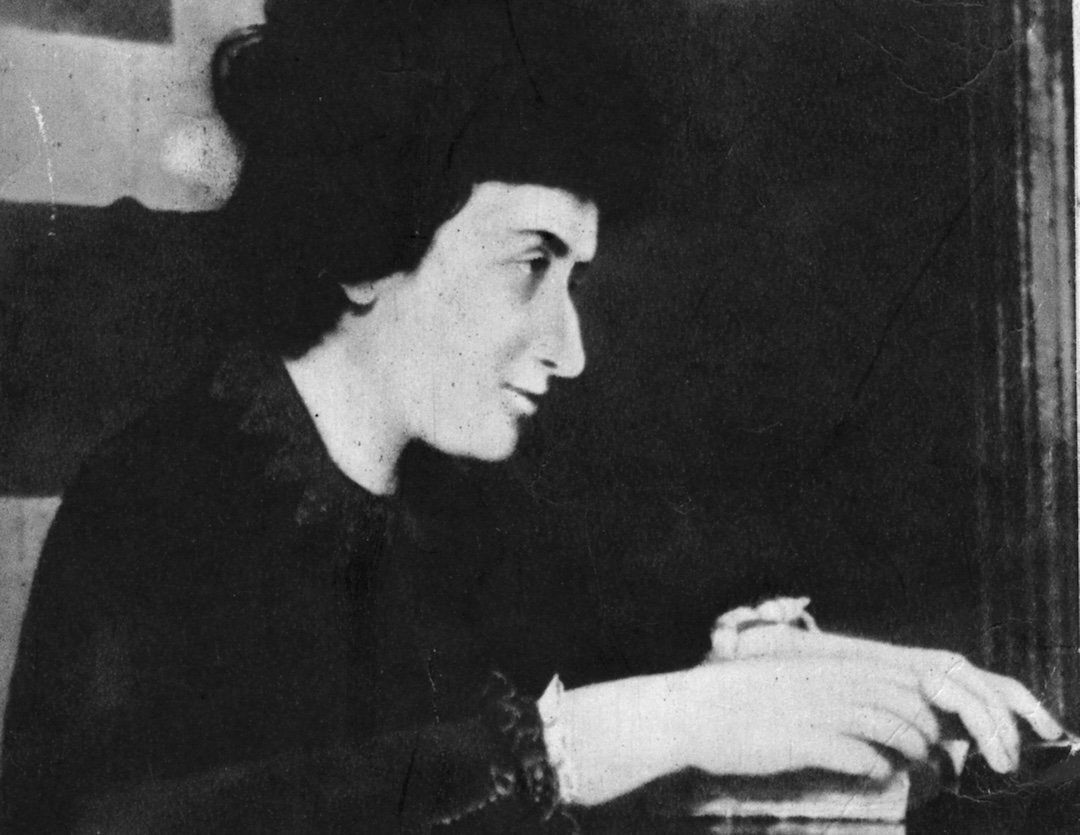
Today liberals and even EU institutions try to count Rosa Luxemburg as part of a vaguely progressive European tradition. She would have hated the idea. (Hulton Archive / Getty Images)
Since 1998, Rosa Luxemburg’s name has slowly been crumbling to pieces. Back then, she was included on a huge monument in Barcelona’s Montjuïc hill alongside twenty-four other founding fathers of the European project. She thus figures alongside Willy Brandt and Winston Churchill: now the site has fallen into disrepair. Yet even the fact that she was ever included in such a memorial to contemporary European liberalism is a testament to just how far-reaching — and distorted — her memory has become.
Since her murder in 1919, it sometimes feels like Rosa Luxemburg has become everything to everyone. Her unique status in German politics at the time means she is often praised for who she was — a “source of inspiration” as a Polish, Jewish, disabled woman — rather than engaged with for what she did and thought. At the same time, the sheer breadth of her engagement has allowed her to be adopted as a figurehead by everyone from anarchists to the Stalinists of the first postwar Polish government.
Luxemburg’s most oft-recited quote, holding that “freedom is always and exclusively freedom for the one who thinks differently,” has often helped make her a stand-in for a “libertarian” and soft version of socialism, an image sometimes bolstered by highlighting the more “feminine” parts of her private life. Surely, she was a sensitive woman and a wonderful writer. From her prison cell, she wrote movingly to friends and lovers, listened intently to birdsong, captured the beauty of the sky, and collected plants and flowers.