Vilfredo Pareto’s Sociology of a Ruling Class in Decline
Vilfredo Pareto once observed that history was a “graveyard of aristocracies” as ruling elites gradually become decadent, depraved, and dysfunctional. The contemporary United States is a disturbingly neat fit for Pareto’s model.
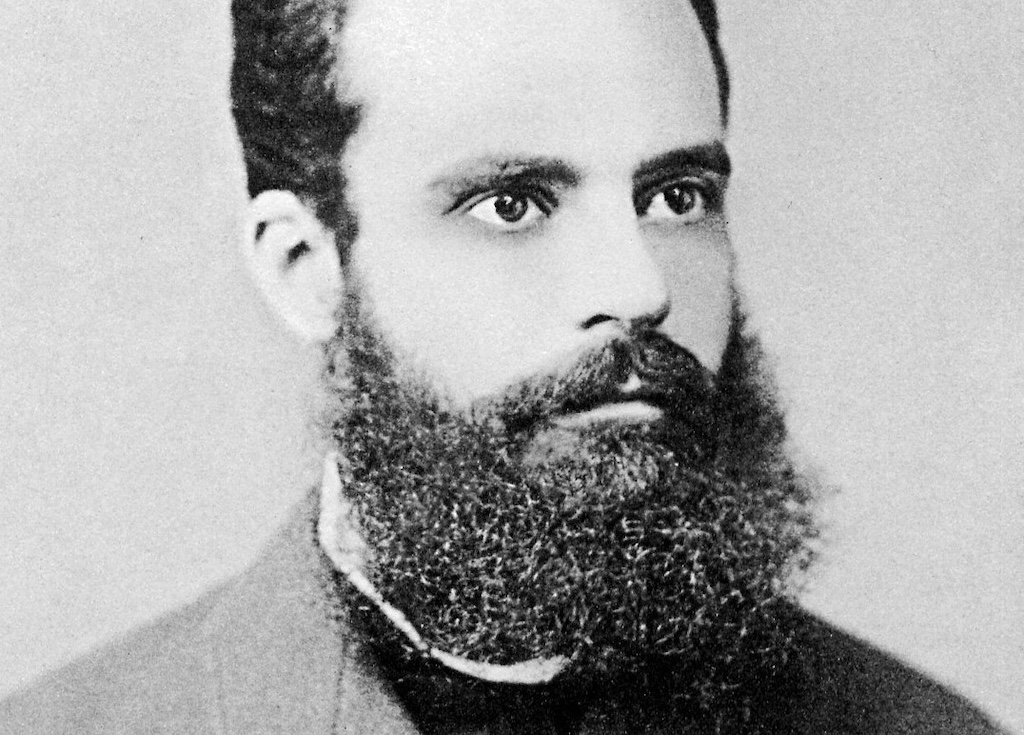
Vilfredo Pareto warned that aristocracies did not endure in the long run, despite their best efforts to persist through nepotism, heredity, educational privilege, and cooptation. (Wikimedia Commons / Public Domain)
Vilfredo Pareto’s Treatise on General Sociology has long been considered one of the seminal works of modern sociology. One list even ranked it among the hundred most influential books ever written in Western history.
Pareto’s Treatise first appeared in French between 1917 and 1919, with a second and final Italian edition in 1923. During the 1920s, there was a flurry of academic and popular writing about Pareto in the United States that became known as “the Pareto vogue.” This vogue reached its apogee in the late 1930s when his magnum opus was translated into English in 1935 and published in four volumes as The Mind and Society: A Treatise on General Sociology.
Pareto’s 2,033-page tome quickly became one of those classic texts that few scholars any longer read, although everyone purports to have read about it in some secondary source. Today Pareto’s work rarely warrants more than a few lines in books on political science and political sociology despite its enduring influence on those disciplines.