Trump’s SEC Is Moving to Silence Investor Whistleblowers
Under the Trump administration, the SEC has taken a sledgehammer to enforcement against corporate crimes, with cases dropping to record lows — at the same time that corporate lobbying of the federal government has surged to unprecedented levels.
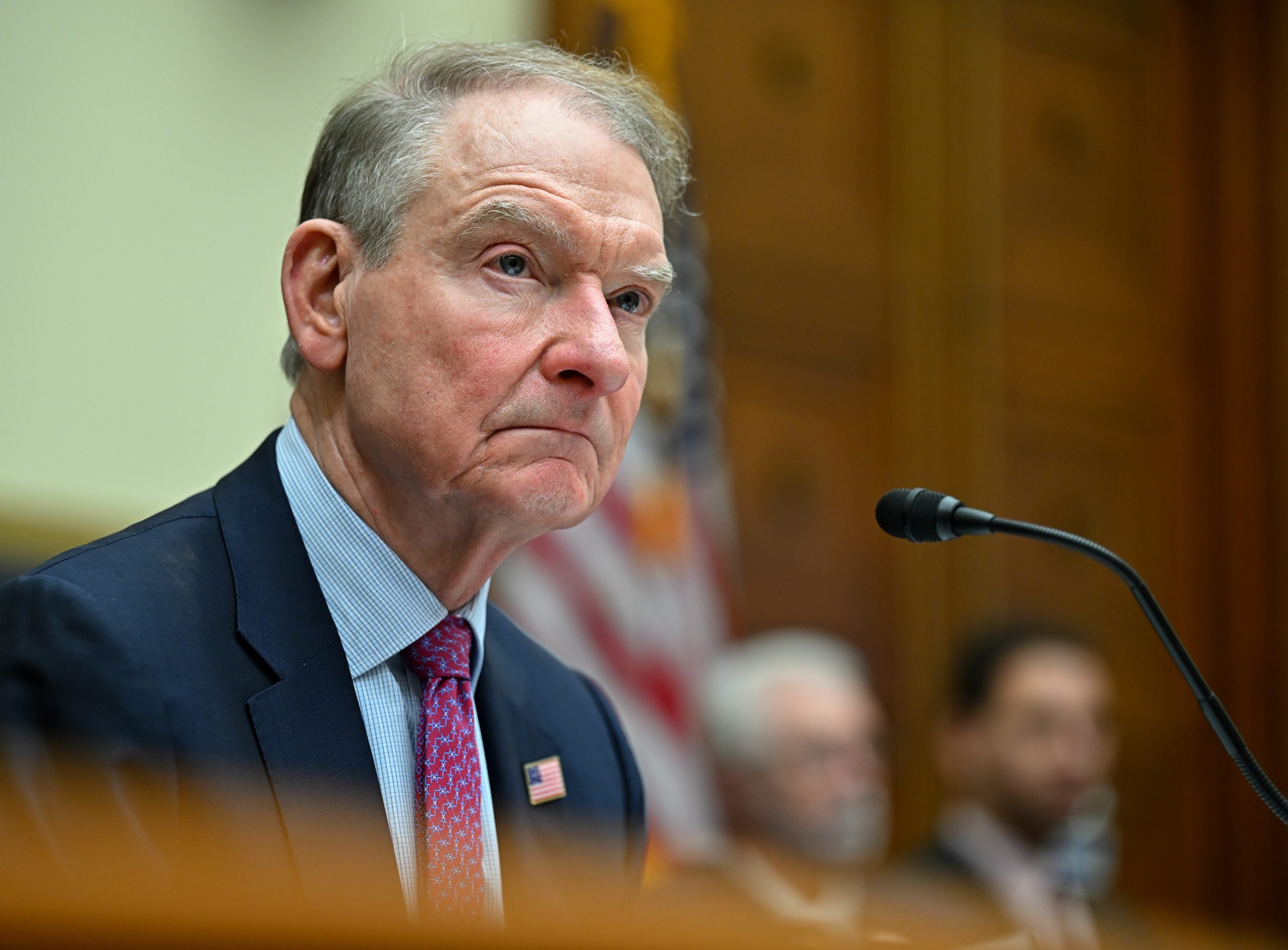
SEC chair Paul Atkins has argued that the whistleblower program presents “perverse incentives.” (Graeme Sloan / Bloomberg via Getty Images)
The Trump administration has effectively silenced a successful financial whistleblower recruitment program that encouraged industry insiders to report white-collar crimes and led regulators to return $1.5 billion in ill-gotten gains to investors.
The US Securities and Exchange Commission (SEC), which regulates stock and bond markets, has declined to award a single dollar to whistleblowers in the first three months of fiscal year 2026 after denying a record number of these claims in 2025. Payments are made to individuals who provide “specific, timely, and credible” reports of violations of securities law that result in sanctions exceeding $1 million; awards range from 10 to 30 percent of the fines collected. Whistleblower payments have not bottomed out to this extent since 2017 under the Obama administration.
Created under the Dodd-Frank Act in the wake of the 2008 financial crisis, the program has paid 444 individual whistleblowers more than $2.2 billion for their successful tips since its 2011 inception. Awards were especially high in the final year of the Biden administration, when commissioners paid out more than $255 million to forty-seven whistleblowers, the third-largest annual total in the program’s history.