On the Value of Putting Things in Plain Language
Emily Witt’s memoir begins with the Brooklyn and Berlin underground rave scenes and the appeal of subcultural escapism. What follows is a reckoning with the social conflicts of the present and journalists’ role in a time of rising authoritarianism.
In her memoir, Emily Witt questions what it means to be a journalist amid crises that have unavoidably impacted her personally. (Kerem Yucel / AFP via Getty Images)
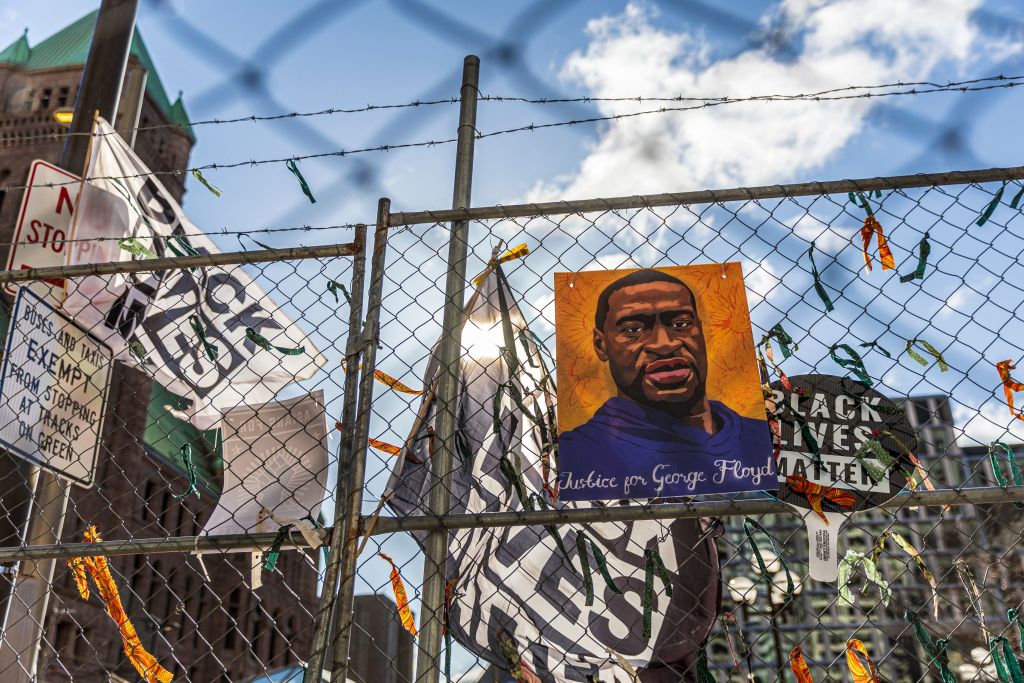
Midway through her recent memoir, Health and Safety: A Breakdown, Emily Witt describes her new position as a staff writer for the New Yorker as being “part of an anxiety-producing machine.” Set against the backdrop of her reporting on the school shooting in Parkland, Florida, the campaigns of Ilhan Omar and Beto O’Rourke, and Brett Kavanaugh’s controversial nomination to the Supreme Court, Witt’s remark reflects her escalating uncertainty as to what it means to be a journalist at a time when social media is outcompeting mainstream news organizations. It was a situation exacerbated months later by the pandemic and the Black Lives Matter protests. “No rhetorical register seemed to have the power to break through,” she writes. “I understood it was impossible for any writer to see outside the contours of the history they inhabited.”
Health and Safety is about the complexities of this recent period, whose legacies are being revisited and sorted through as the second Trump administration unfolds. What begins as an account of a personal journey in the vein of her first book, Future Sex (2016) — but this time involving recreational narcotics consumption and the underground rave scene in Brooklyn and Berlin — evolves into a broader commentary about the political present.
Guiding the reader from the escapism of these subcultural worlds to her unavoidable confrontation with the social conflicts that defined the first Trump administration, Witt finds herself questioning what it means to be a journalist amid crises that have unavoidably impacted her personally. She further asks whether it is at all possible to cohere our fragmented era into a single, comprehensive, and comprehensible narrative.