The Data Center Boom Could Trigger Blackouts

The country’s largest power grid operator, PJM Interconnection, plans to power new data centers that it knows it doesn’t have the capacity for — prompting an energy watchdog to warn of heightened blackout risks.
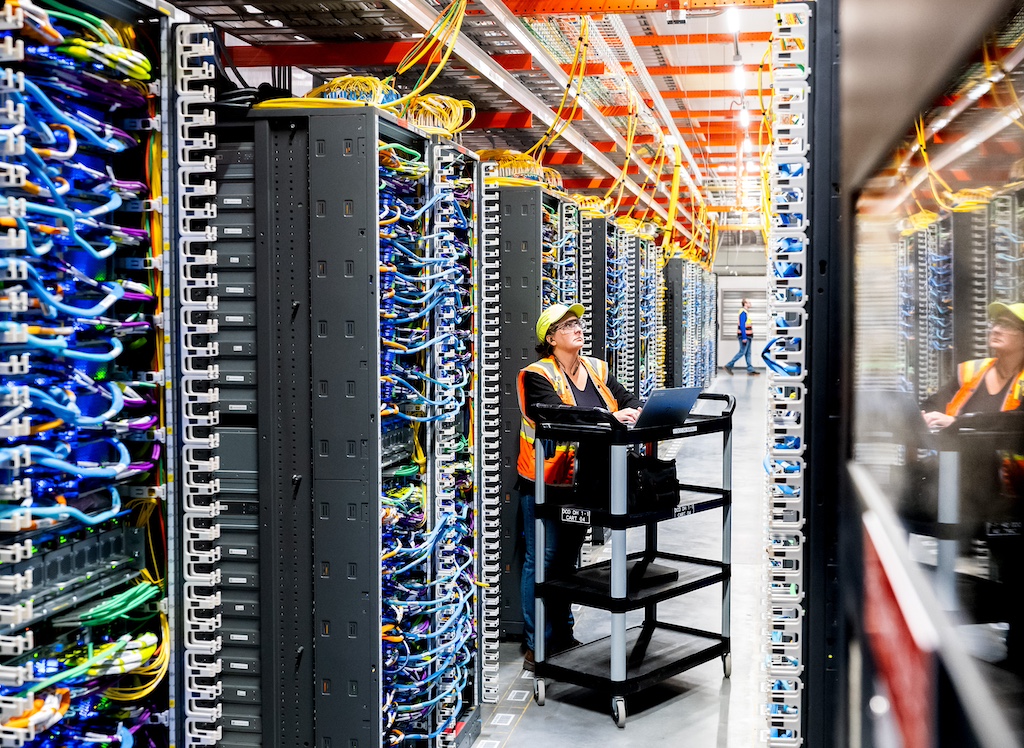
PJM Interconnection has seen windfall profits from shouldering energy-draining data centers, at a multibillion-dollar cost to consumers. (Noah Berger / Getty Images via Amazon Web Services)

The independent watchdog for the country’s largest power grid operator has issued a “regulatory grenade” asking the federal government to intervene amid PJM Interconnection’s plans to power data centers it knows it doesn’t have the capacity for — despite acknowledging the heightened risk of blackouts. This comes as PJM has seen windfall profits from shouldering energy-draining data centers, at a multibillion-dollar cost to consumers.

Last week, the monitor overseeing PJM filed a complaint with the nation’s top electric utility regulator, warning of unreliable service for its sixty-five million customers across the Midwest and mid-Atlantic. Monitoring Analytics asked the Federal Energy Regulatory Commission to pause connecting larger artificial intelligence–powering data centers to its grid until PJM can ensure “reliable, economic, and environmentally acceptable” service and guarantee that the growing data center energy burden won’t produce unnecessary blackouts.

“The logic is simple. The question is clear,” the complaint reads. “If PJM has an obligation to provide reliable service . . . is it just and reasonable for PJM to add new loads that it cannot serve reliably? The answer to that question is no.”

In internal policy proposals that PJM submitted to stakeholders earlier this year, the operator forecasted that “supply may be insufficient to meet the expected demand” created by large-load consumers (read: data centers), and that load curtailments (read: blackouts) may be necessary in an emergency.

Under these rejected plans, PJM had sought new guidelines that would cut power delivery to data centers first in the event of shortages before subjecting other consumers — including, in some cases, utilities — to “rolling blackouts.”

recent report from the North American Electric Reliability Corporation found that data center–driven growth in electricity demand is expected to more than double this winter, adding to the risk of cold-weather blackouts, particularly in data center hot spots — like Virginia, which is serviced by PJM.

This comes after US electricity consumers experienced double the amount of blackout time in 2024 than they averaged across the previous decade, with natural disasters causing 80 percent of hours without electricity.

Last month, PJM stakeholders — a potpourri of vested figures including power plant and transmission owners, retail electricity providers, consumers, advocates, governors, and state utilities regulators — rejected every proposal considered on handling the operator’s worsening supply issues amid hundreds of new data center developments plugging into its grid.

According to a June report from Monitoring Analytics, data center load growth is the “primary reason” for precarious electricity capacity conditions, including the higher prices that consumers are seeing.

Meanwhile, according to the new complaint, data center load alone increased PJM’s annual energy-commitment auction revenues by more than $7.2 billion, or 82 percent, over last year. Across seven of the thirteen states where PJM operates, consumers paid $4.4 billion in 2024 just to fund transmission upgrades necessary to accommodate data centers.