The Clash of Civilizations, 30 Years Later
At a time of neoliberal triumphalism and the so-called end of history, Samuel Huntington predicted ongoing conflict.
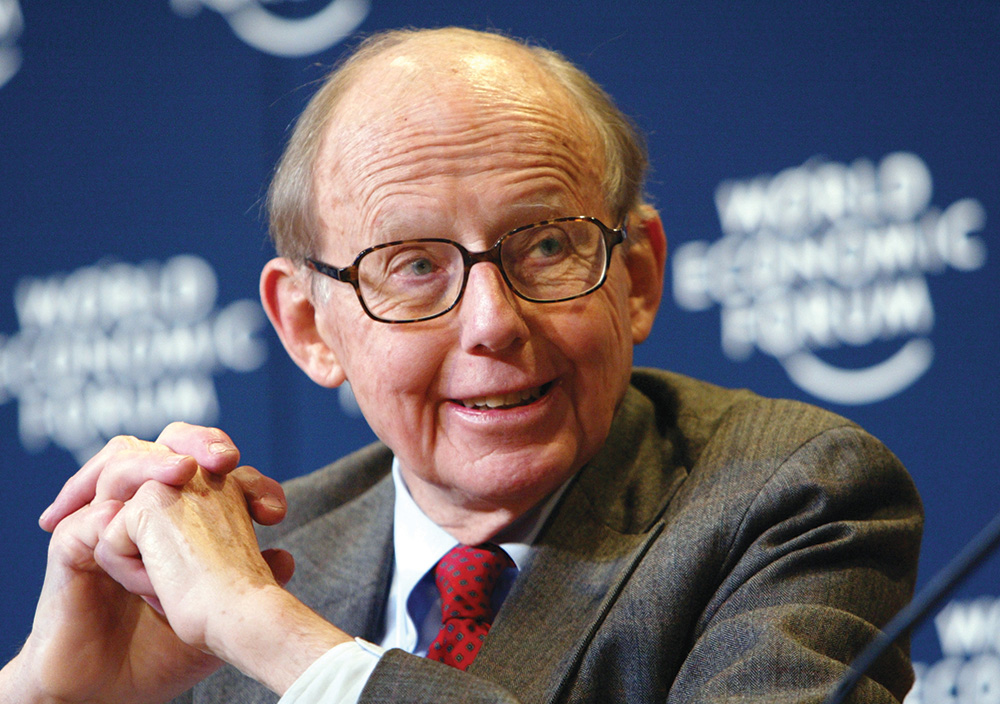
(Wikimedia Commons)
Samuel P. Huntington’s greatest contribution to the world of ideas was the phrase “Davos man.” This was his term for the capitalists to which our globalized socioeconomic order had given rise: highly educated, generally English-speaking people who profited from the world of borderless trade and travel, represented by the attendees of the yearly economic conference held in the small Swiss town of the same name.
But say his name to anyone today and they will likely associate him with a different expression, the “clash of civilizations,” a phrase that he borrowed. Of late, as talk of civilizations has become all the rage once again, “Davos man” has fallen out of favor. These developments are closely related — though Huntington and the cast of politicians who came to be influenced by his ideas have generally failed to see how.
Huntington initially wrote the lecture that he would develop into The Clash of Civilizations and the Remaking of World Order in 1992. It was partially a response to a set of arguments advanced by his former student Francis Fukuyama that came to be known as the “end of history” thesis. Today, as tariffs threaten global free trade, the prospect of war between NATO and Russia looms, and a genocide comparable to the horrors of the last century takes place in Palestine, Fukuyama’s ideas seem recklessly naive; far from being over, history is back with a vengeance. But during the last decade of the twentieth century, as the Soviet Union imploded and Western liberalism stood triumphant, the possibility that all major ideological conflicts had been resolved and capitalist democracy stood alone as the sole universal worldview was far from absurd.