Trump’s Protectionism Protects the 1 Percent
Donald Trump’s tariffs amount to a stealth tax on the middle and working classes, wrapped in the language of sovereignty. In practice, it’s upward redistribution and corporate price-gouging, fueling inequality that corrodes stability and erodes democracy.
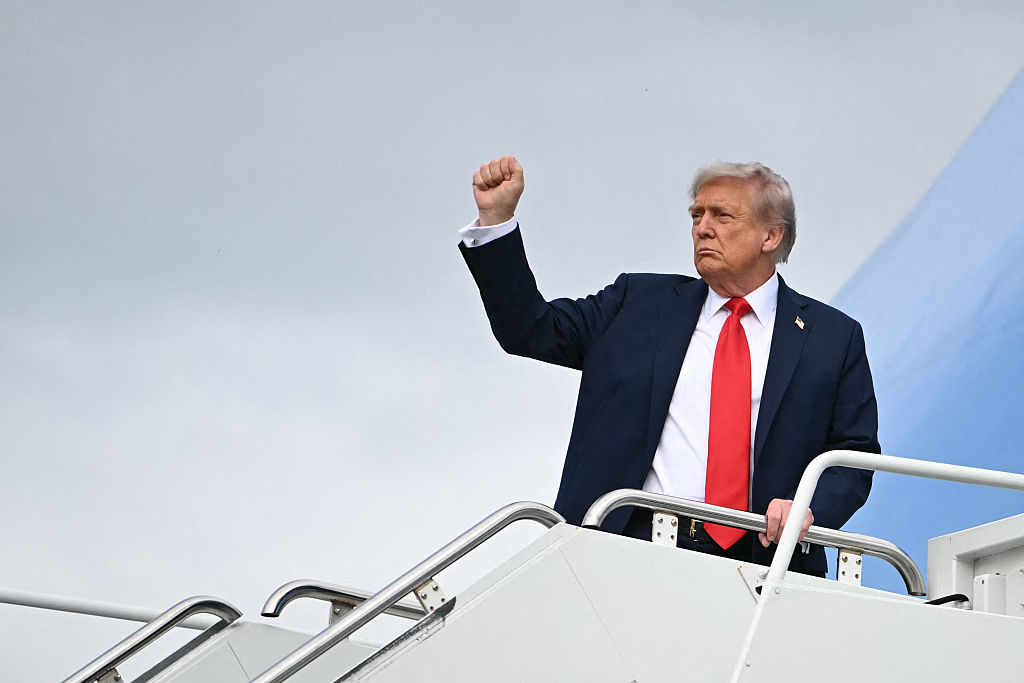
Funneling wealth upward eats away at the foundations of the economy and democracy itself. (Andrew Caballero-Reynolds / AFP via Getty Images)
President Donald Trump’s success in pushing his tariff agenda has drawn sharp criticism — not just for the abuse of power and economic risks it creates but also for who it will hurt most. By driving up consumer prices on everything from food to appliances, these tariffs will function as a stealth tax on middle- and working-class Americans. The poorest households, who spend a greater share of their income on basic goods, will be hit hardest.
But the danger isn’t only today’s higher grocery bills or the safety nets gutted to pay for his tax cuts. Decades of evidence point to the same conclusion: funneling wealth upward doesn’t just punish the poor — it eats away at the foundations of the economy and democracy itself. Inequality isn’t an unfortunate side effect; it’s a slow poison that weakens growth, fuels resentment, and makes societies more fragile.
To understand why, it’s crucial to distinguish between poverty and inequality. Poverty is an absolute condition: a lack of access to basic necessities like food, housing, health care, and education. Inequality, by contrast, is a measure of relative difference — how income, wealth, and opportunity are distributed across society. A nation can reduce absolute poverty while still becoming more unequal.