Americana Falls Flat
Nothing in film is more exposing than the big attempt at meaning and poignance that just doesn’t come off. Sadly, Americana stands exposed.
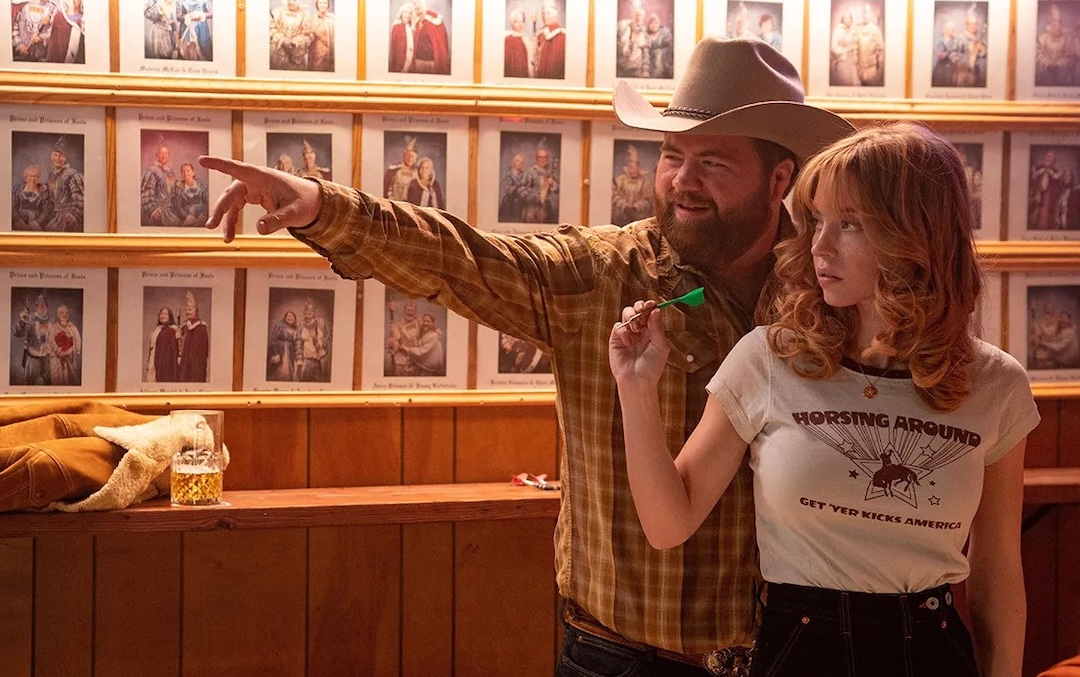
Paul Walter Hauser and Sydney Sweeney star in Americana. (Lionsgate)
There are some films that try so hard and kick up so much dust trying to create an impact that, when they fall flat, you feel a bit embarrassed to have been a witness, especially in a public place like a movie theater. At the end, when the credits roll at last, you say to yourself, “Welp,” and stand up and skulk out of there grateful for the cover of darkness. Americana is one of those films.
It’s what is now called a neo-Western, and like the other neo-Western currently playing in theaters, Eddington, it’s very much influenced by the twenty-first-century fount of the subgenre, No Country for Old Men (2007). Scrabbling mightily to be a Coen brothers film, Americana folds in a lot of Fargo as well in its attempts to be violent and funny about an escalating series of bloody crimes that characterize the American experience in telling ways. But you’ve got to have awfully good pitch to strike the right notes in such an endeavor, and writer-director Tony Tost just doesn’t have it.
When he’s not trying to make a Coen brothers film, he’s trying to make a Quentin Tarantino film. So there are named and numbered chapters that favor different points of view and a lot of relentless bantering among oddballs before the shooting starts.