D. D. Kosambi Paved the Way for India’s Marxist Historians
Marxism has had a powerful influence on Indian historiography, to the displeasure of the Hindutva far right. Much of the credit lies with D. D. Kosambi, whose pioneering work applied and adapted Marxist ideas for the study of Indian history.
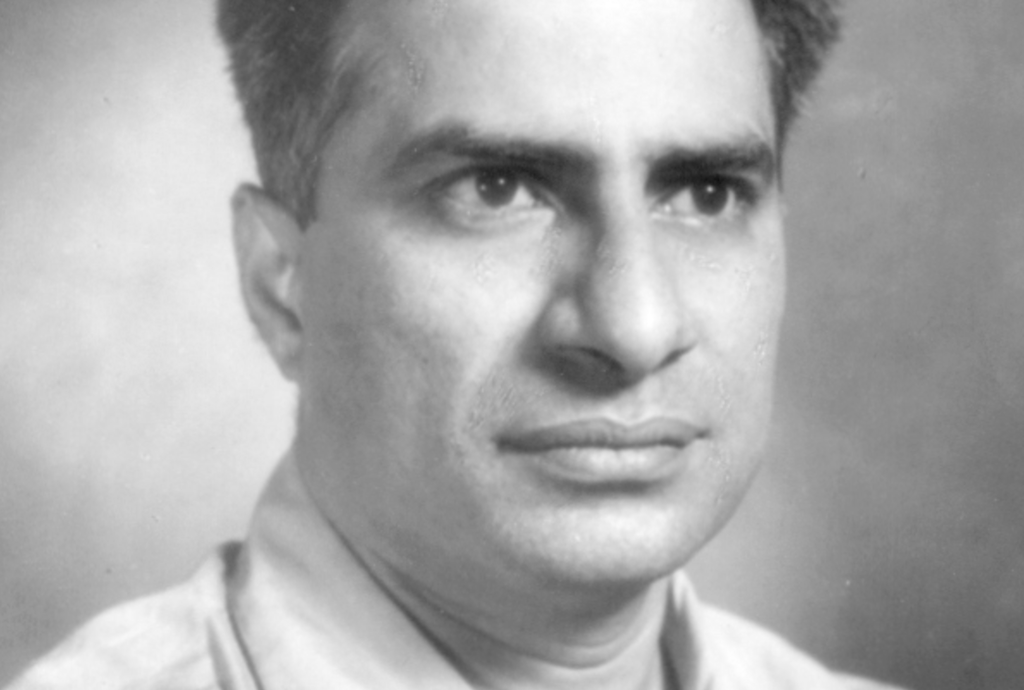
Portrait of D. D. Kosambi in 1967. (Wikimedia Commons)
Damodar Dharmananda Kosambi was a towering figure in the field of history-writing in India. His works on various aspects of ancient Indian history brought about a paradigm shift in the scholarly understanding of the period.
Kosambi’s creative employment of Marxist methods in the Indian context cleared away earlier misconceptions about Indian society being static and unchanging, and established history as an important social-scientific discipline in the country. Eminent figures in the field of Indian Marxist historiography like Irfan Habib and Romila Thapar have spoken about the importance of his pioneering work.
An Intellectual Journey
D. D. Kosambi was born on July 31, 1907, in Goa in an upper-caste Konkani family. His father, Dharmanand Kosambi, was a renowned scholar of Buddhist studies who taught Pali at Pune’s Fergusson College. He later went on to Harvard University to teach as a visiting faculty member and to work on a number of Pali texts.