Kazimierz Kelles-Krauz and the Marxist Theory of Nationalism
Kazimierz Kelles-Krauz was a remarkably creative Polish Marxist thinker who developed a theory of nationalism that was far ahead of its time.
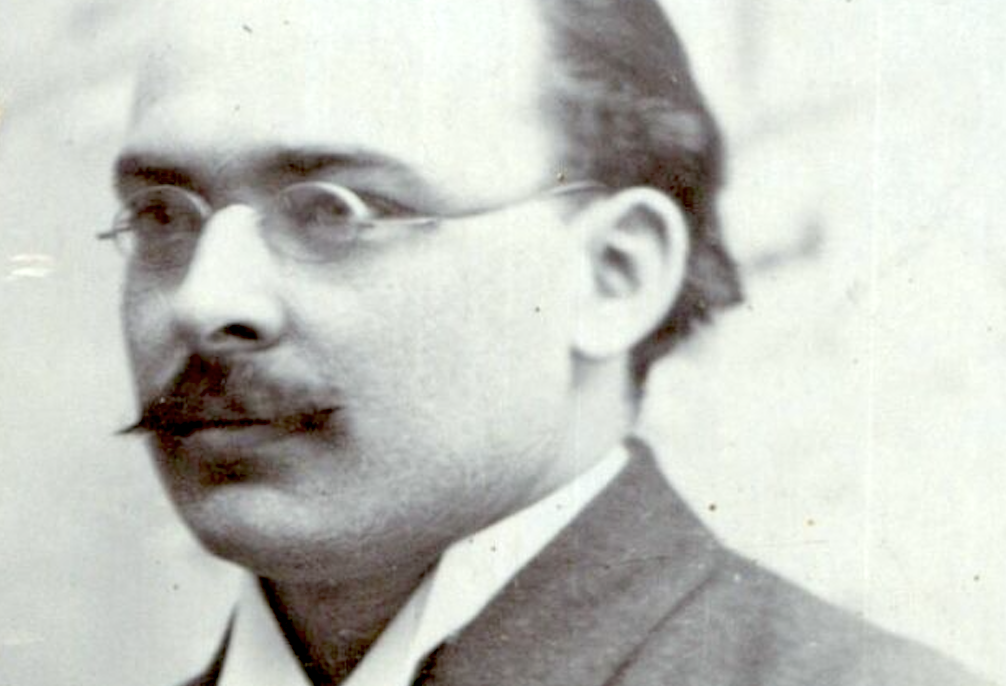
Portrait of Kazimierz Kelles-Krauz in 1904. (Wikimedia Commons)
Kazimierz Kelles-Krauz was an unusually inventive Marxist theoretician of the multiethnic imperial context in which he operated. Serving the Polish national cause, he blended socialism with sociology and Marxism with democratic nationalism. Instead of simply combining these elements, he looked for ways in which they could cross-fertilize each other.
This approach resulted in genuine innovations, as Kelles-Krauz produced a self-critical Marxist sociology of knowledge that could be applied to Marxism itself, and a theoretically grounded Marxist analysis of nations and nationalism, which he saw as modern phenomena resulting from the social transformation that capitalism brought about.
Kelles-Krauz achieved this while leading the life of a footloose, clandestine activist and writer — a life that was terminated by illness in 1905, when he was just thirty-three. He left an imprint on the Polish debate that sadly remained barely known outside the country and was a pioneer in the development of anti-colonial and anti-imperial Marxism.