The US Economy Runs on Billionaire Pocket Change
The top 10% of earners account for almost half of all consumer spending in the United States. Wealth concentration has made economic stability shockingly reliant on elite consumption.
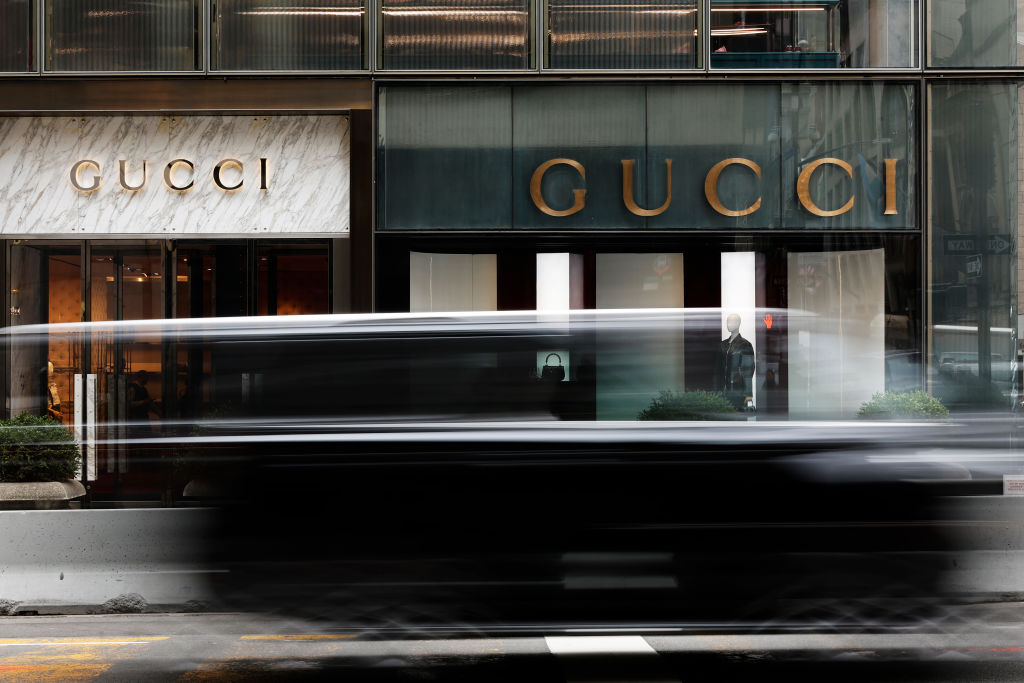
The richest Americans get their money as much from assets as wages and often spend it on luxury goods and services. (Michael M. Santiago / Getty Images)
While millions of Americans are struggling with a growing consumer debt crisis and surviving paycheck to paycheck, the wealthy are living their best lives — and increasingly so. This stark economic divide is no accident; it is the product of a rentier economy built on asset inflation and decades of failed trickle-down policies. It’s also a house of cards. But for those at the top, the living is easy. For now, at least.
As the Wall Street Journal reports, the top 10 percent of earners has grown to account for nearly half of US consumer spending — up about fourteen points over the last thirty years. These households enjoy incomes of $250,000 or more each year — money that comes from assets as much as wages or salaries, and which goes to luxury goods and services. Mark Zandi, chief economist at Moody’s Analytics, told the Journal that the wealthiest are spending more per capita than everyone else, buoyed by gains in the stock market and real estate.
All Hail the Rentier Economy
The shift represents a growing wealth gap, a growing concentration of power in fewer hands, and an economy that is increasingly detached from reality — but dangerous for all that. Beyond the growing wealth gap, the wealthy are making the economy more reliant on their spending, a situation that carries serious risks.