Elaine May Is the Greatest Director You’ve Never Heard Of
A new biography of writer-director-performer Elaine May makes a strong case for her canonization as one of our greatest comic talents. Unfortunately, Hollywood never knew what to do with her.
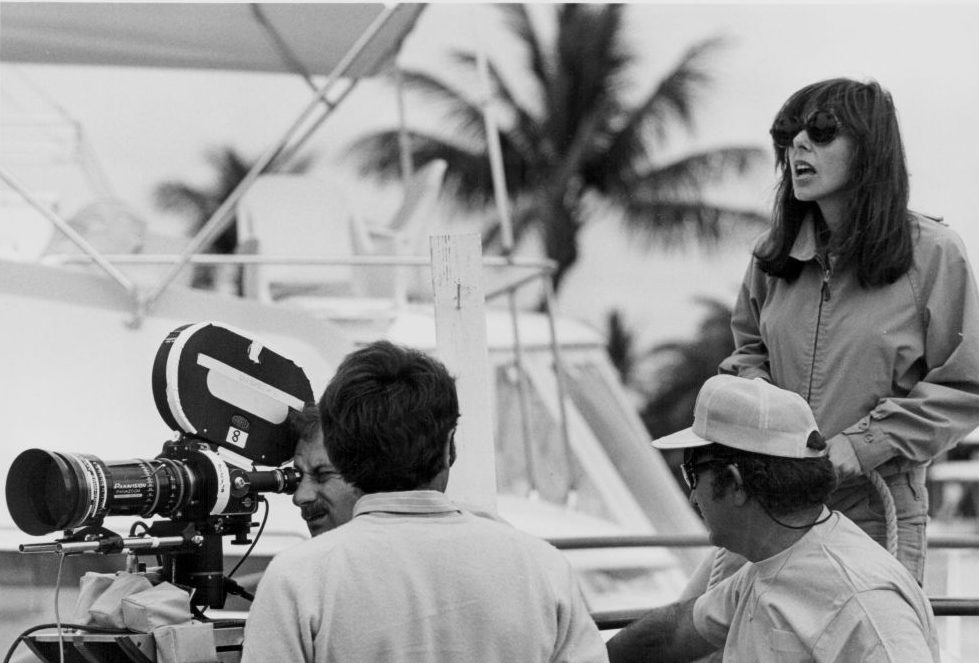
Director Elaine May on the set of The Heartbreak Kid in 1972. (Stanley Bielecki Movie Collection / Getty Images)
Elaine May, the protean talent whose career as a movie director was cut brutally short after just four films, is alive and (I hope) well at age ninety-two. This means she’s still around to enjoy the tributes that have been popping up in all media, coinciding with the publication of a just released and long overdue biography by Carrie Courogen, entitled Miss May Does Not Exist: The Life and Work of Elaine May, Hollywood’s Hidden Genius.
The biography is designed to make cinephiles conscious of the great director who’s been hiding in plain sight all these years, after having made three wonderfully idiosyncratic movies in the 1970s — A New Leaf (1971), The Heartbreak Kid (1972), and Mikey and Nicky (1976), followed by one famous flop, Ishtar (1987), which finished her directing career with a spectacular flameout. She went on to other work and other triumphs — May is a much-awarded stage writer-actor-director, and she wrote the screenplays for Heaven Can Wait (1978) and Primary Colors (1998). She also became of the most sought-after Hollywood script doctors, though she refused credit even on the films she’s described as “saving,” such as Reds (1981) and Tootsie (1982).
And of course, her status as a brilliant pioneer in the world of comedy is untouchable. Courogen credits May with being one of the creators of improvisational comedy as we know it today, while a member of the Chicago comedy troupe Compass Theater, a forerunner of the legendary Second City. With partner Mike Nichols, the team of Nichols and May raised sketch comedy to a sophisticated art form that inspired generations of comics who played their best-selling comedy albums on endless repeat. Nichols himself admitted he wasn’t particularly gifted at improv, but May’s gifts were so tremendous, and their personal rapport was so strong, that she elevated his level of inventive performance to the sky.