The Working-Class Cinematic Legacy of Film Noir
In the stiflingly reactionary cultural atmosphere of postwar America, most filmmakers didn’t talk much about class. But there was one significant exception: film noir was the most class-conscious genre of motion picture America has ever produced.
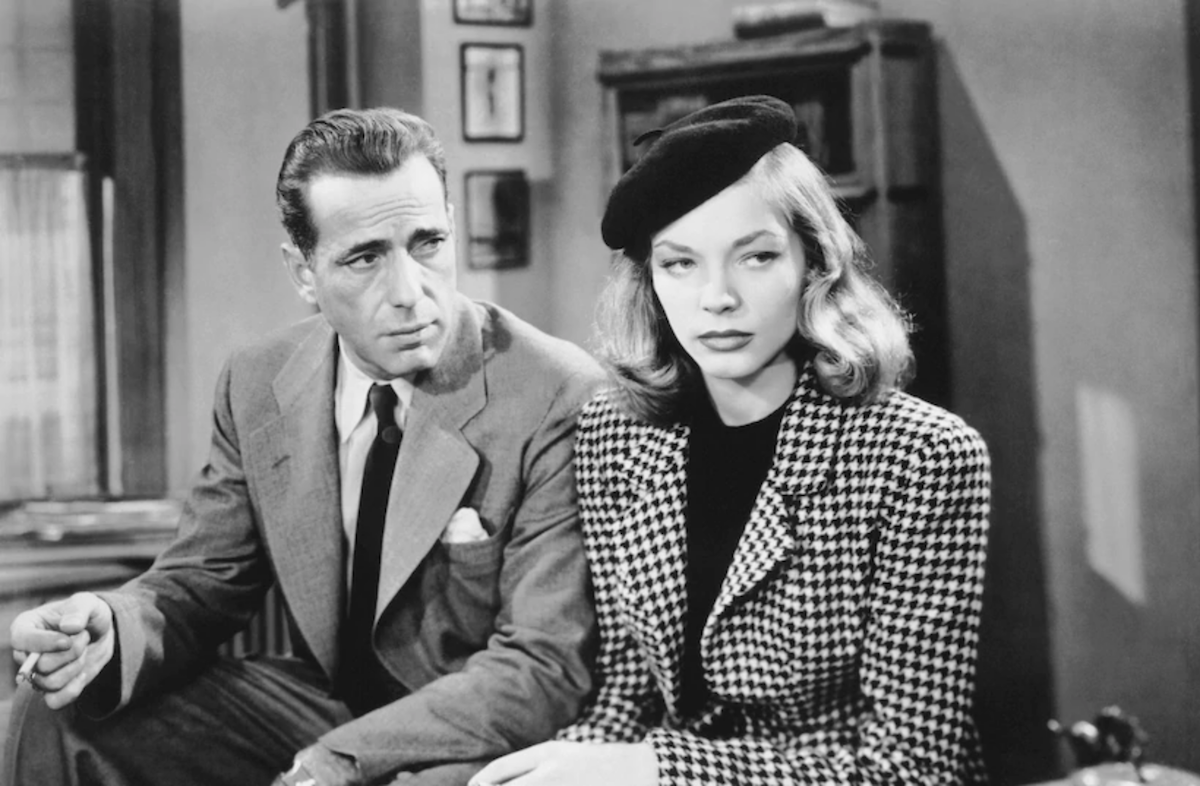
Humphrey Bogart and Lauren Bacall in The Big Sleep (1946).
What do you know about anything? You probably had your bread buttered on both sides since the day you were born.
–Joe Sullivan, Raw Deal.
If you want to start an argument among film critics — and who wouldn’t? — ask any three of them to define film noir. You won’t get three answers; you’ll get nine or ten, punctuated by a great deal of exception-making, special pleading, and brow-furrowing. The very term is what Jean-François Lyotard referred to as a “phrase in dispute”: the people who made films noir did not call them that, preferring the prosaically descriptive term “crime drama.” “Film noir” was coined, decades after such films had stopped being made, by clever French critics like Lyotard, who seemed to understand American culture more than their American counterparts, and when the term became commonplace, arguments about what qualities such films must possess were immediate and vociferous. Many argued that noir was not even truly a style, but a period.