Niccolò Machiavelli Chose the People Against the Oligarchy
Forget the stereotypical view of Machiavelli as the champion of cynical statecraft and Realpolitik. The Italian political philosopher was a hostile critic of oligarchic rule who wanted to empower the people and unleash their creativity.
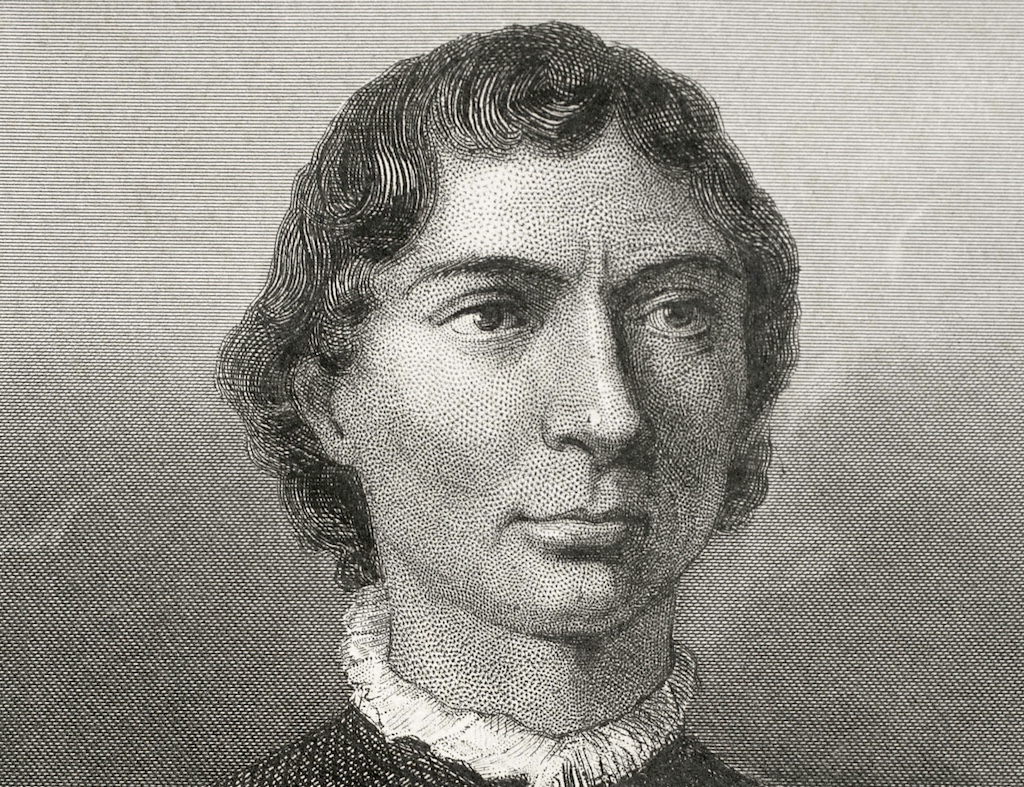
Etching of Niccolò Machiavelli (1469–1527), ca. 1856. (Universal Images Group via Getty Images)
Niccolò Machiavelli (1469–1527) was not alone in having confidence in his own intellectual stature, moral courage, and commitment to the Republic of Florence. Deprived of full citizenship status due to the enforcement of bastardy laws, he was nonetheless elected in 1498 as head of the second chancery by the Great Council.
He was then confirmed in this position for fourteen years until the Medici forces, backed by the Spanish army, took the city and closed the Great Council, putting an end to the experience of the “popular state.” During his numerous diplomatic missions in Italy and abroad, Machiavelli impressed the members of the government as well as his colleagues at the chancery by the quality of his reporting, and the frankness and lucidity with which his analyses were expressed.
On the other hand, Machiavelli irritated that part of the citizenry whose members liked to call themselves the ottimati (“the best”). Especially obnoxious to some members of the power elite was his project of a republican militia based on mass conscription, recognized as a major threat to their social influence and positions. And after his personal success in reunifying Florentine Tuscany in 1509, a friend of his went as far as parodying the gospel to call him “a greater prophet than the Jews or any other people ever had.”