Niccolò Machiavelli Was the Philosopher of Left-Wing Populism
For centuries, detractors of Niccolò Machiavelli have presented him as the founding father of political cynicism. But the Italian thinker was really a republican idealist whose support for popular rule can inspire struggles against the oligarchies of today.
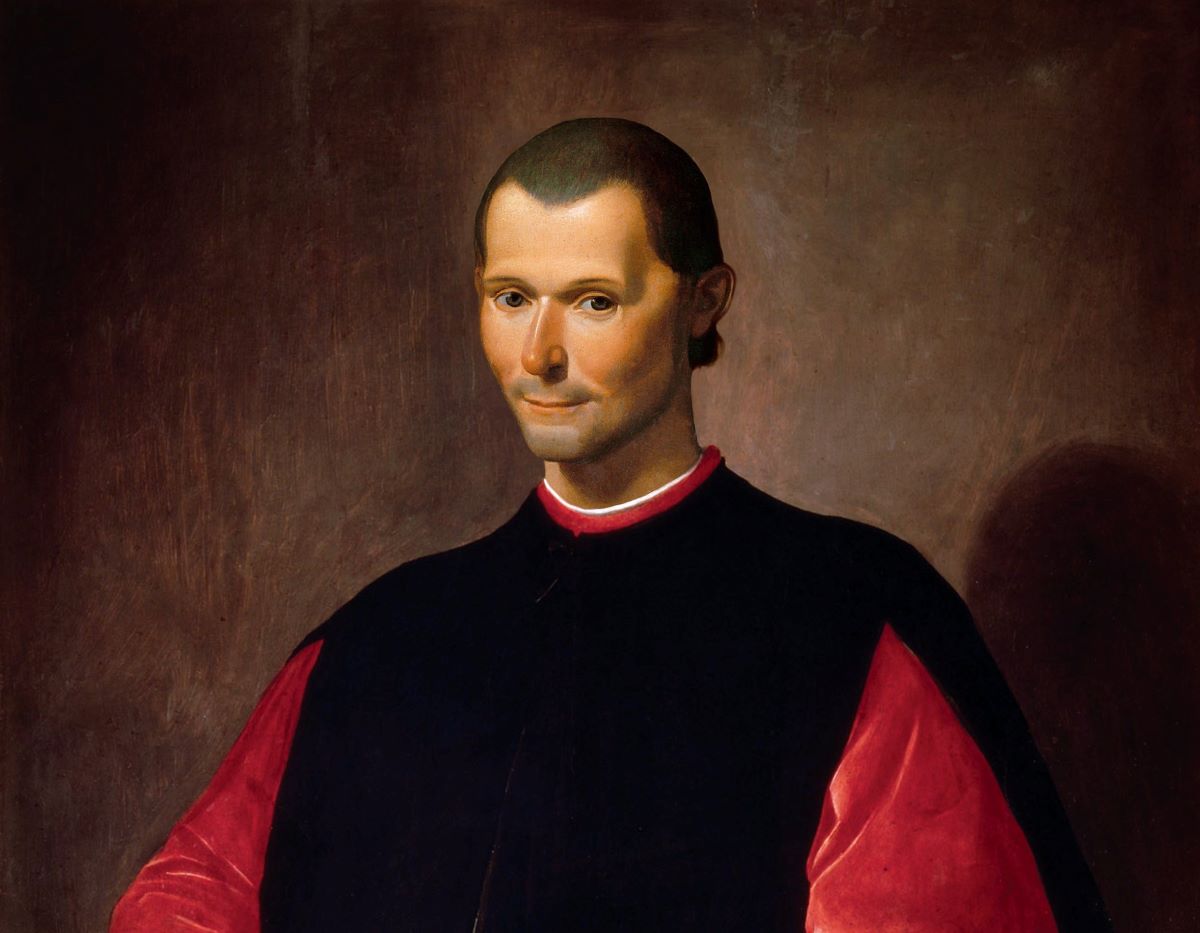
John P. McCormick, author of influential works like Machiavellian Democracy, argues that Niccolò Machiavelli should be understood as a forerunner of today’s left-wing populism.(Nickniko / Wikimedia Commons)
Almost five centuries after his death, the Italian philosopher Niccolò Machiavelli remains one of the most influential figures in the history of political thought. The author of The Prince would probably be astonished to find himself the subject of books on leadership skills aimed at business CEOs, or mistakenly referred to as “Prince Matchabelli” by Paulie Walnuts in The Sopranos.
A misleading view of Machiavelli as the founding father of political cynicism — or even political evil — is almost as old as the man himself. But John P. McCormick, author of influential works like Machiavellian Democracy, argues that the Florentine thinker is better understood as a forerunner of today’s left-wing populism. Far from being outdated, some of Machiavelli’s arguments are still ahead of our own time, and a truly “Machiavellian” approach to politics can help strengthen popular democracy.
Gabriele Pedullà
There is probably no university in the United States where Machiavelli’s works, or at least The Prince, are not taught. However, your dedication to him is quite exceptional. You have published two books on Machiavelli, and, as far as I know, a third one is in the making. Why Machiavelli? And how did you first discover him?
John P. McCormick