No, Austria’s Communist Party Doesn’t Need a Name Change
- Julia Damphouse
Faced with the Austrian Communist Party’s recent electoral gains, many pundits have demanded that it change its name. They accuse the party of being wedded to Stalinism — but the party has a long record of wrestling with its past.
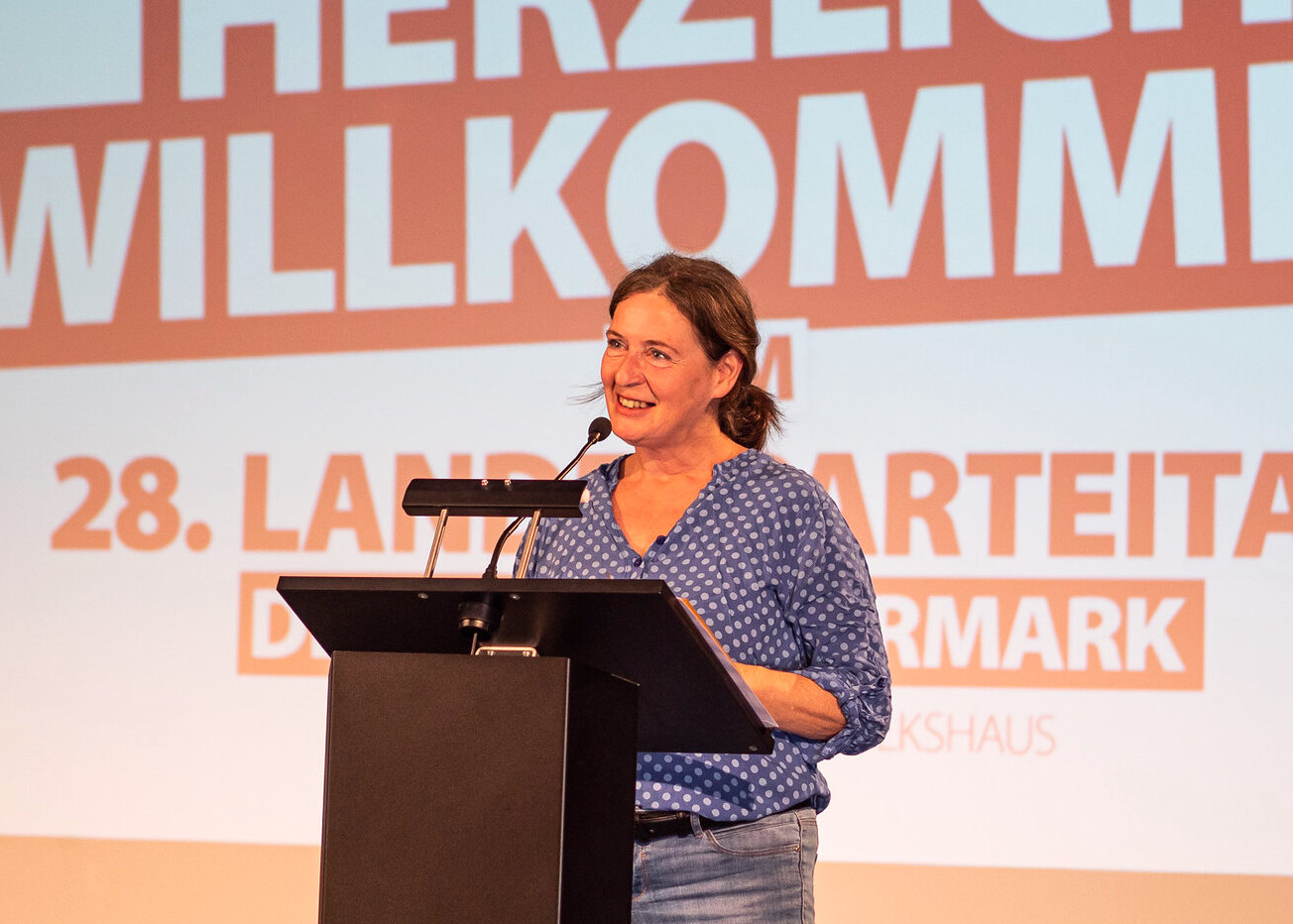
Communist mayor of Graz Elke Kahr. (KPÖ Bundespartei / Flickr)
Long a minor force in national politics, the Communist Party of Austria (KPÖ) is today making its name not just as a radical force, but an electorally growing one. One major breakthrough came in 2021, when Communist Elke Kahr became mayor of the country’s second-biggest city, Graz. Yet recent contests in Salzburg (where it placed second in March’s elections) and Innsbruck (where it entered the city council this Sunday) show that this was no one-off. In national elections due by this fall, the KPÖ has a serious chance of entering the federal parliament for the first time since 1959.
Unsurprisingly, many in the Austrian corporate media are not talking this lightly. Whenever the KPÖ makes electoral headway, these outlets always raise the same talking points: the party is accused of admiring “dictatorships” and its policy of donating large portions of its elected officials’ salaries is derided as “populist.” And in particular, it’s called upon to change its name, in recognition of “Communist atrocities” from the past.
In one unforgettable incident, Graz mayor Kahr — the KPÖ’s highest-ranking elected official appeared on the political interview show Pressestunde in 2022 only for the editor in chief of the mainstream daily paper Kleine Zeitung Hubert Patterer to use more than half the time to question her about Belarus, Vladimir Putin, Josip Broz Tito, and busts of Vladimir Lenin. His approach was deemed so absurd even to regular viewers that he had to issue an apology.