Perfect Days Celebrates Spare, Mindful Escapism
Critics love Wim Wenders’s Perfect Days for its depiction of a happy and humble Japanese toilet cleaner. But it’s really a fantasy of escape — one that seems to appeal mostly to the affluent.
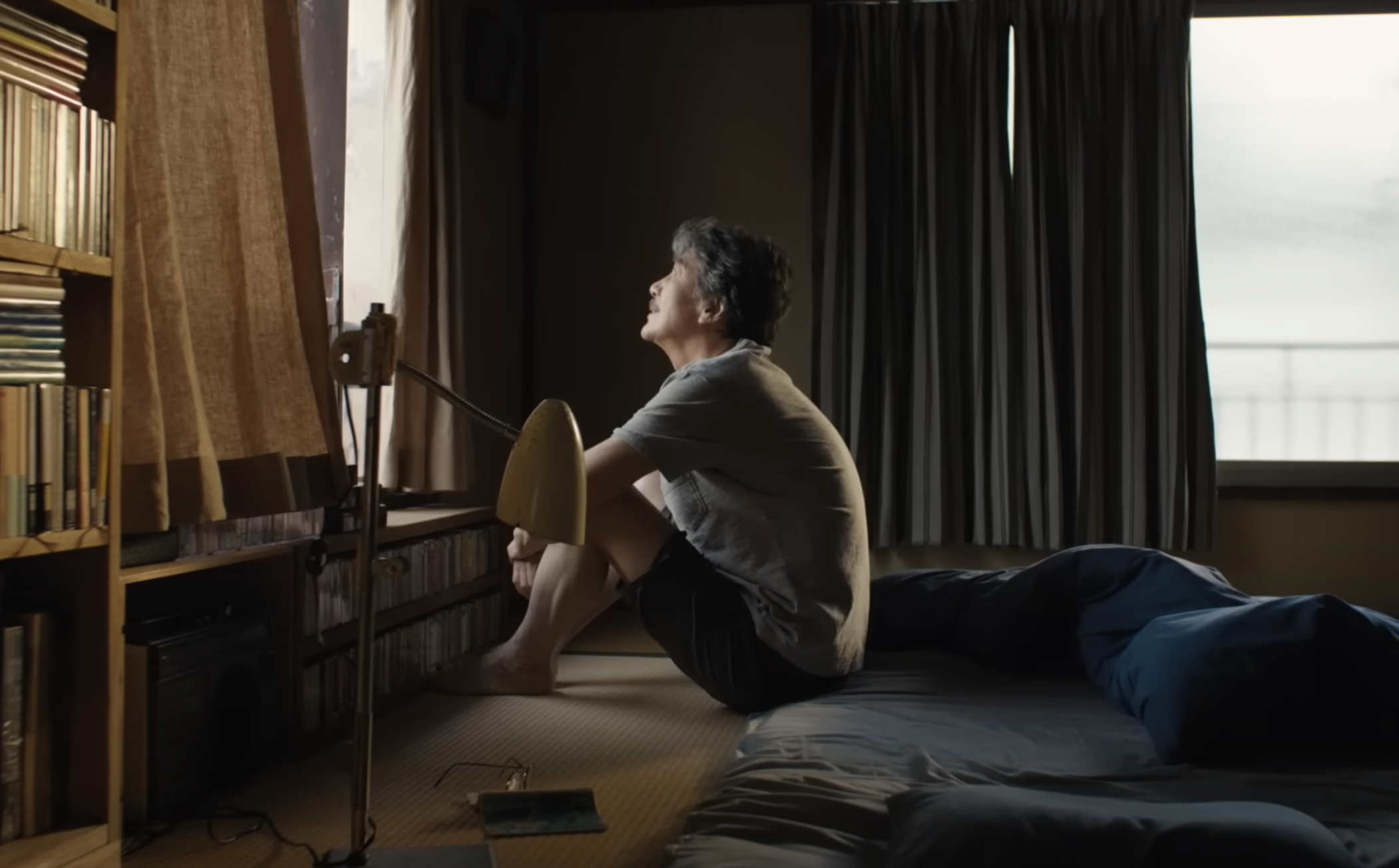
Kōji Yakusho plays Hirayama, a toilet cleaner, in Wim Wenders’s new film Perfect Days. (The Match Factory / YouTube)
I can see why people love Perfect Days, the new Wim Wenders film about a Japanese toilet cleaner named Hirayama (Kōji Yakusho) who lives a quiet, solitary life of aesthetic appreciation expressed through his love of music, photography, and gardening. It’s a prevalent fantasy of our times, that we could somehow escape through ascetic choices the worst effects of our lives under capitalism, which tend to be brutal and chaotic, loud and sloppy, cluttered with too much stuff, cacophonous with too much yapping public discourse.
The fantasy is that somehow we could be in it but not of it, living simply and beautifully, owning very little but caring deeply for our few possessions. And not ruled by technology! That alone would be enough to return us toward a Hirayama-like mindful appreciation of the lovelier details of nature and art that still linger on in generally ugly, decaying postindustrial spaces.
Hirayama even has a particular “tree friend” in a small park that he photographs daily at lunchtime. Do you have a tree friend? Of course not. That shows you’re not living right.