The Alleged Sexual Assaults on Rikers Island Are Shocking
Me Too was often portrayed as solely focused on elite women’s concerns. That would be news to the prisoners at New York’s Rikers Island who have used a Me Too–inspired law to seek justice for over 700 alleged sexual assaults by guards in the jail.
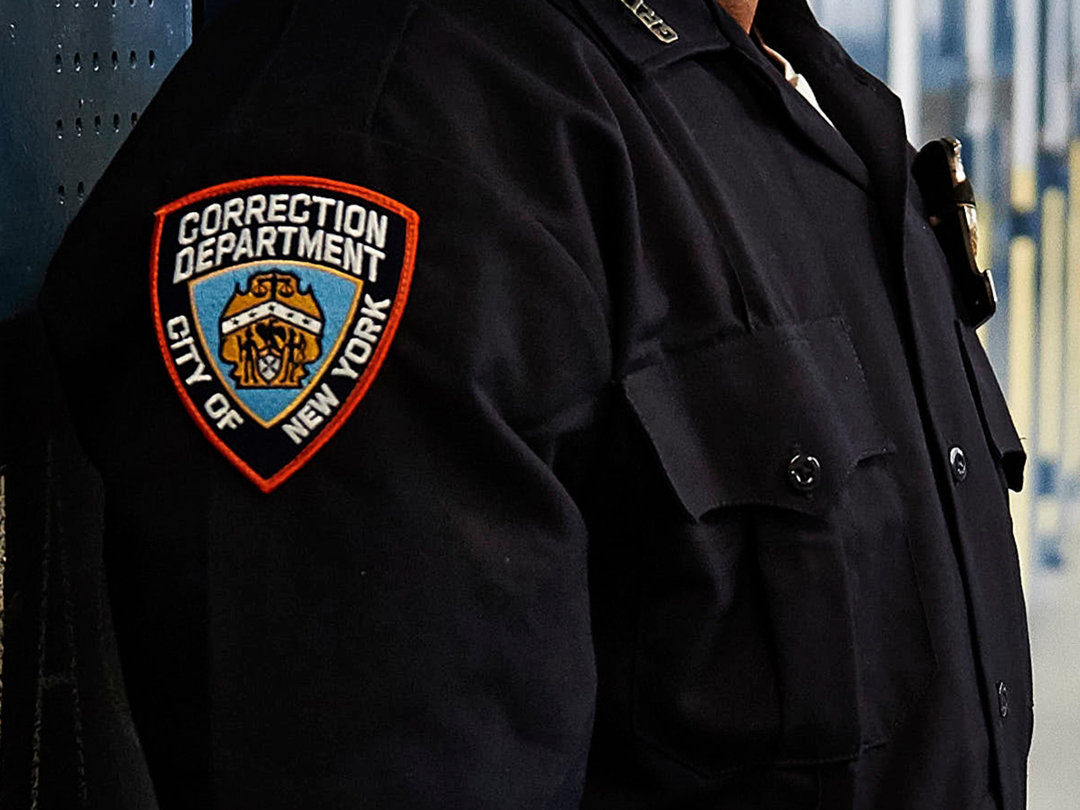
A New York City Department of Correction officer at Rikers Island. (James Keivom / New York Daily News / Tribune News Service via Getty Images)
In recent years, those eager to dismiss the issues raised by the Me Too movement have fixated on the phenomenon’s elite origins. After all, the outcry started with a 2017 New York Times investigation into the serial predation of Harvey Weinstein, a Hollywood executive who preyed on young and up-and-coming actresses. His violations were numerous and criminal, and he is now in prison. But the rarified circles in which Weinstein and some of the women he preyed upon moved meant that for many, it has become easy to dismiss the issue as an intra-elite affair.
Yet while much of Me Too’s oxygen was taken up by white-collar or rich women — those with access to major platforms, or writers who could pen the stories themselves — such unequal visibility plagues most every social movement in the United States. Social hierarchies are reproduced in the media, biased as it is toward flattering and satisfying those at the top of the hierarchy who comprise its desired readership and distorting the picture of the issue for the average reader.
But that distortion doesn’t mean sexual violence doesn’t affect poor and working-class people, or that such people aren’t fighting it. In reality, workers and the poor are particularly vulnerable to sexual predation, just as they are vulnerable to other types of exploitation and abuse. And as Me Too wended its way through the culture, those people, too, tried to use the moment to win protections for themselves.