Ayn Rand Had a Fragile Ego, Incoherent Ideas, and Bad Taste
Ayn Rand believed that the path to social harmony ran through the inferior masses’ acceptance of brutal rule by their natural superiors. Her perspective was wrong, and its implications were just as grim and nasty as her atrocious personality.
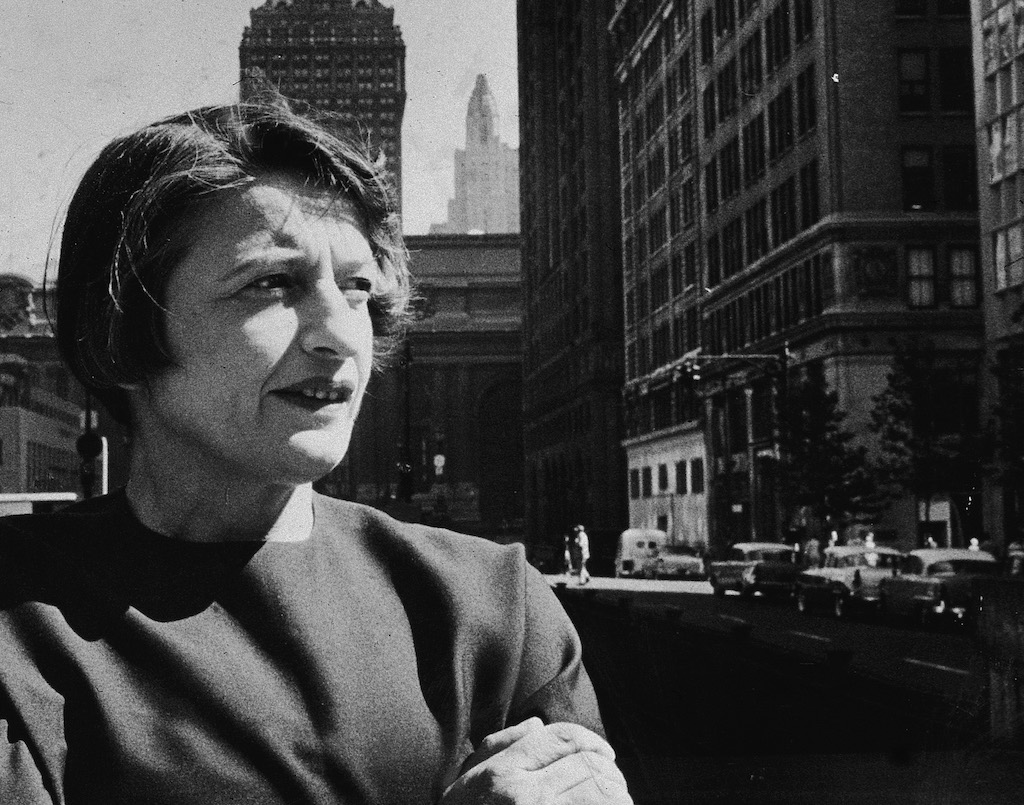
Ayn Rand in New York City, 1957. (New York Times Co. / Getty Images)
Those of us familiar with Ayn Rand’s ardent pro-capitalism and renowned meanspiritedness may be disinclined to immerse ourselves in her writing. Nonetheless, we can’t deny her significance. Rand’s work and personality have come to define the politics and economics, and even more so the mood, of the world we live in today.
The thought of losing precious hours in the nightmarescape of Rand’s literary oeuvre is unappealing, but understanding her worldview and legacy is imperative. Fortunately, Lisa Duggan has written a smart, engaging, and mercifully short book, Mean Girl: Ayn Rand and the Culture of Greed, distilling all we need to know about Ayn Rand.
Duggan spoke to Daniel Denvir, host of the Jacobin Radio podcast the Dig. The following is an edited transcript of their conversation. Duggan is a historian, journalist, and activist who teaches at New York University. She’s the author of several other books, including Twilight of Equality?: Neoliberalism, Cultural Politics, and the Attack on Democracy and Sex Wars: Sexual Dissent and Political Culture.